
Ota Ward, Tokyo: A Tale of Two Cities (Temples & Izakayas)
Things to Do in Ota Ward: The Ultimate Guide to Ikegami Honmonji & Kamata Nightlife
What can I say about Tokyo that hasn't already been said? It’s the dynamic center of creativity, but for me, the real magic isn't found in the famous tourist circuits like Ueno or Shibuya. It is found on the southern edge of the city: Ota Ward.
Located about 14km from central Tokyo, this area offers a proximity between modernity and tradition that is rare even for Japan. I recently based myself in Chidoricho, a quiet neighborhood that sits right between our two destinations today: the sacred grounds of Ikegami and the neon pulse of Kamata.
If you are looking for that "Zen theme" to balance out the ultra-urbanized grind, this is where you go. Ikegami Honmonji: 700 Years of Zen Our first stop is the Ikegami Honmonji Temple. Founded in 1282, this isn't just another temple; it is the sacred site where Nichiren, the founder of the Nichiren sect of Buddhism, passed away.
Walking the grounds gives you an immediate sense of silence. The architecture transports you back four centuries, offering a striking contrast to the steel and glass of the city center. The Main Hall (Hondo): The current structure dates back to 1788. If you look up, you will see a large, thatched roof.
This is made using a special weaving technique that layers dry straw over a wooden frame. The slight upward curve at the corners is a masterpiece of Edo-period aesthetics.
Don't Miss: The Rakudu-do (dedicated to the six realms of Buddhist existence) and the seasonal gardens that feature stones and trees carefully curated to reflect the changing seasons.
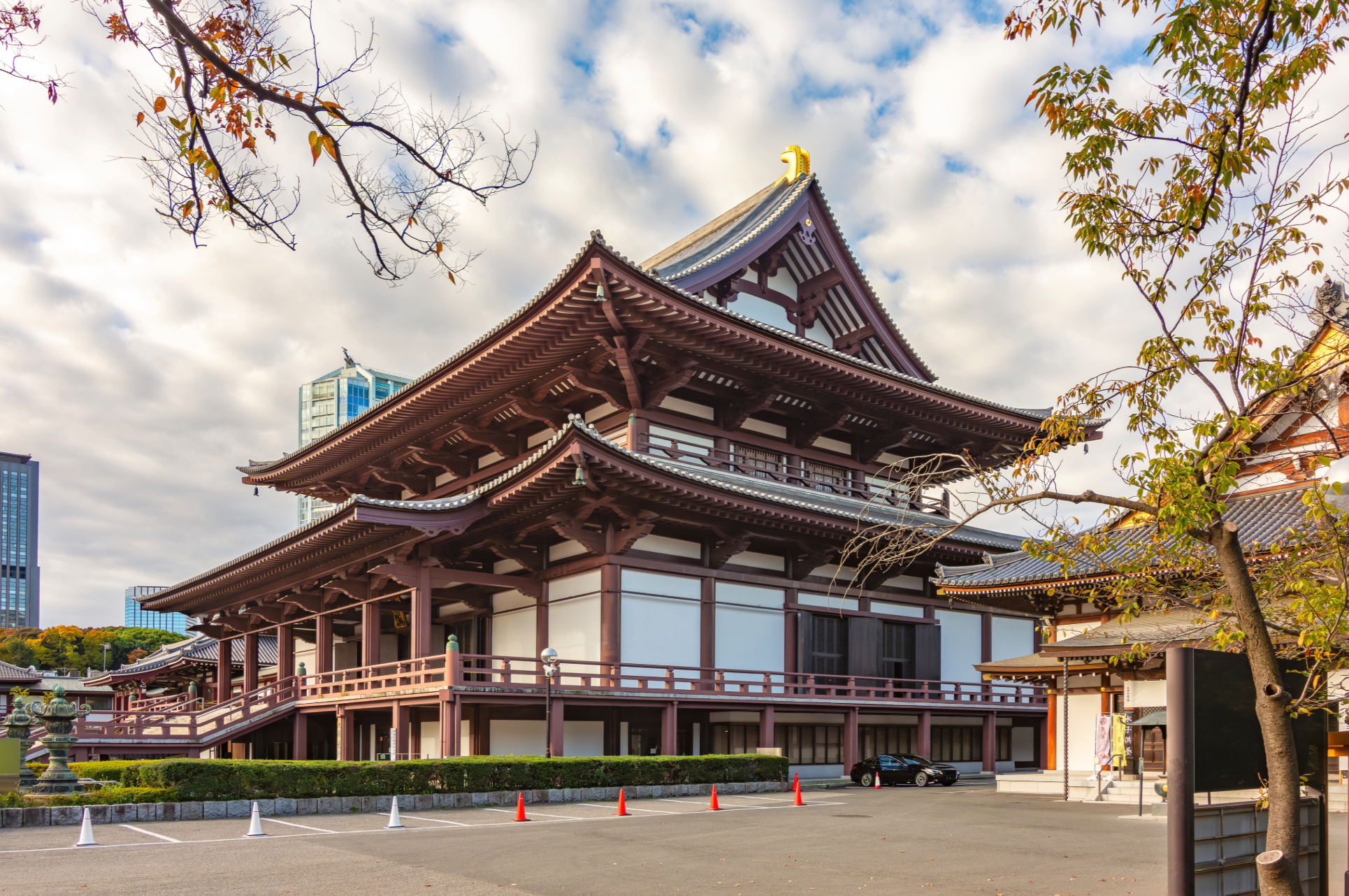
The Oeshiki Festival: When the Silence Breaks If you can, time your visit for October.
This is when the silence of the temple grounds is replaced by the thunder of Taiko drums and the melody of flutes for the Oeshiki Festival. This event commemorates the death of Nichiren, but the vibe is anything but somber. It is a massive celebration of life.
The highlight is the procession of the Mando ("ten thousand lights")—elaborate lantern floats adorned with paper cherry blossoms. Watching the Matoi (fireman standard bearers) spin their standards to the rhythm of the drums is an experience that stays with you forever.

Kamata: The Retro Nightlife Hub
After soaking in the spiritual history, hop on the subway for a three-minute ride to Kamata. As the sun sets, the "Sunroad" and surrounding alleyways flicker to life with neon signage and the smell of charcoal smoke. Kamata has an eclectic, shitamachi (downtown) feel. It’s unpretentious, friendly, and deeply local.
The Vibe: It’s a mix of clinking glasses, laughter, and steam rising from food stalls. It’s a place where salarymen loosen their ties and locals catch up over food. What to Eat: This area is an Izakaya paradise. Order a variety of Sumami (small plates) to share—crispy Takoyaki, smoky Yakitori, and fresh seafood.
The best way to experience Kamata is to "bar hop" through the narrow alleyways, soaking in the retro atmosphere.
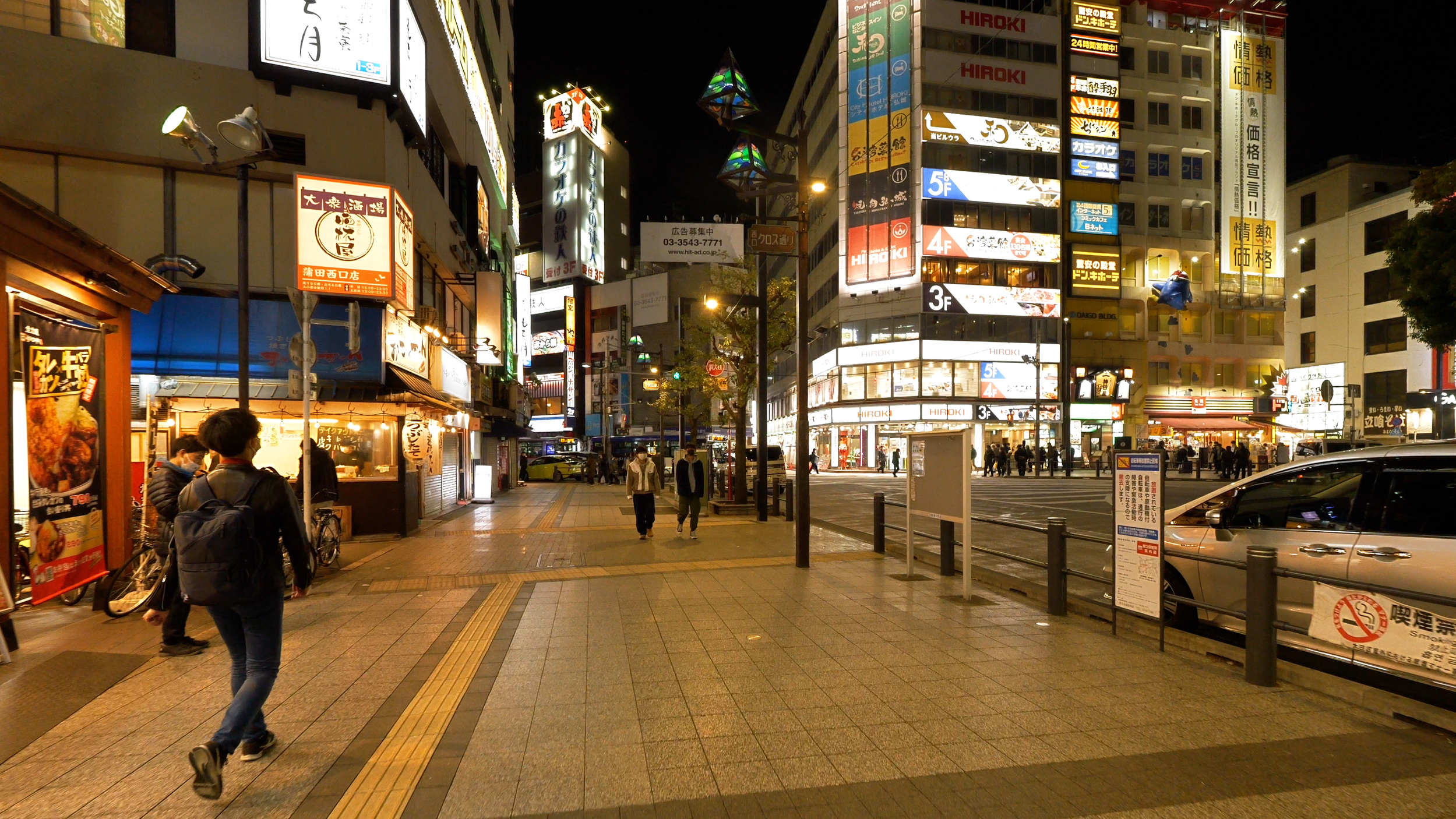
If you’ve spent your night absorbed in the rhythm of the Oeshiki drums and the warmth of a Kamata izakaya, don't shatter that feeling by fighting for a strap on a packed late-night train back to Shibuya.
I’ve found that the best way to bridge the gap between this local enclave and your hotel is to upgrade to the Green Car on the JR Keihin-Tohoku Line. For the price of a mid-range highball (about $10-$15), you buy a reclining seat, quiet space, and the silence required to keep the 'Kamata vibe' alive while you glide back to the city center. Read my full Green Car Upgrade Guide here.
Kamata and Ikegami offer a synthesis of ancient history and modern life that is hard to find elsewhere. Whether you are there for the prayers or the parties, Ota Ward proves that the soul of Tokyo is found in its quiet corners, just an hour away from the tourist crush.
