
Even in Tokyo, the ER Might Say "No": The Reality of Japanese Healthcare Access
Note: This article contains affiliate links. I am a brand partner with TuGo because their 24/7 assistance line solves the specific access problems detailed below.
The "Safety Bias"
Japan presents a dangerous paradox to the Western traveler. It is statistically one of the safest nations on earth. The streets are clean, the trains are on time, and the crime rate is incredibly low.
This creates a "Safety Bias." We naturally assume that in a country with high-tech toilets and bullet trains, the emergency medical system must be seamless. We assume that if we get sick or injured, we can simply walk into an ER, show a credit card, and get treated.
This assumption is dangerous. While the quality of Japanese medical care is world-class, the access to it is structurally and linguistically fortified against outsiders. The primary risk for a traveler in Japan isn't the cost of care—it's the availability of it.
The Phenomenon of "Tarai Mawashi" (Refusal of Care) In the US or UK, emergency rooms have a mandate to stabilize anyone who walks through the door. In Japan, hospitals operate under different legal and capacity constraints.
There is a documented phenomenon known as tarai mawashi—literally "passing the basin around"—where ambulances are turned away from multiple hospitals because they cannot find one willing to accept the patient.
This isn't an urban legend. Data reveals cases where patients have been rejected dozens of times before finding a bed. Hospitals often refuse admission not just because they are full, but because they lack a specific specialist on duty at that exact moment.
For international travelers, this risk is compounded by the "Foreigner Factor." Japanese doctors are incredibly risk-averse. If you cannot speak fluent Japanese, a doctor may refuse to admit you because they cannot get "informed consent" or an accurate medical history.
They view the language barrier as a liability risk. Without a professional interpreter, you represent a legal hazard to the hospital. And so, the answer is often "No."
The Google Translate Fallacy
"I'll just use an app," you might think. This is a mistake. Medical diagnosis relies on nuance.
In Japanese, pain is described using specific onomatopoeia—chiku-chiku for pricking pain, zoki-zoki for throbbing. A translation app flattens these nuances into the single word "pain," stripping away the diagnostic context the doctor needs. Furthermore, research indicates that many doctors will not treat a patient relying solely on an app due to the fear of mistranslation.
They need a human medical interpreter to bridge the gap.
Critical Note: To reach that human interpreter, you need a connection. Hospital WiFi in Japan is notoriously spotty or requires complex SMS logins you can't read. I always keep an Airalo eSimactive as my lifeline. If I'm in an ambulance, I need to know my phone will work.
The "Cash Only" Clinic Trap
If your issue isn't life-threatening—say, a high fever or a sprained ankle—you generally cannot go to a large hospital ER without a referral letter. You must start at a local clinic.
The problem? The majority of neighborhood clinics in Japan are cash-only businesses. They do not accept foreign credit cards, and they certainly don't know how to bill a US insurance company.
If you are sick at 2 AM, the last thing you want to do is navigate a search for a 24-hour ATM to withdraw 50,000 Yen because the clinic refuses to see you without cash upfront.
The Fix: You Need an "Access Key," Not Just Insurance
Most travel insurance marketing focuses on "Reimbursement"—you pay, and we pay you back later. In Japan, that isn't good enough. You need "Access."
You need a policy or membership that includes 24/7 Medical Interpretation and Assistance. This service acts as your navigator.
When you call them:
1. They direct you to the specific facility that accepts foreigners.
2. They get on the phone with the doctor. When a Japanese doctor hears a fluent, professional interpreter on the line, the liability fear vanishes. The interpreter effectively "negotiates" your admission.
3. They fax a "Guarantee of Payment" (GOP) to the hospital, turning a cash-only friction point into a cashless experience.
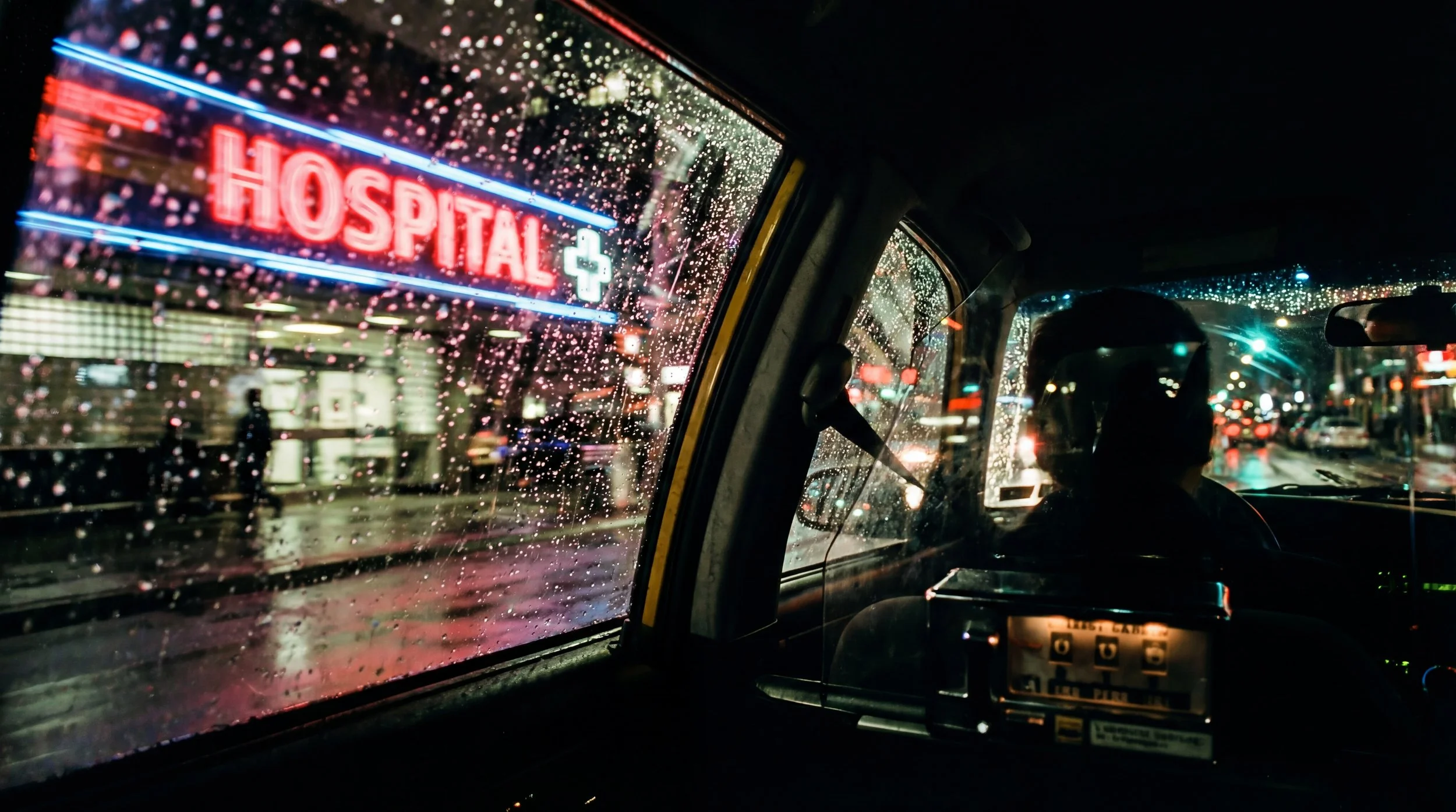
Preserving your peace in Japan is an intentional act. If you’ve spent your trip immersed in the beauty of Kyoto temples, don't shatter that feeling by finding yourself stranded in a medical maze, negotiating your health via Google Translate with a receptionist who is legally afraid to admit you.
I’ve found that the best way to bridge the gap between being an "excluded tourist" and a "verified patient" is to ensure your travel protection includes a dedicated 24/7 Medical Assistance and Translation line.
For the price of a standard policy, you aren't just buying financial coverage; you are buying the "Access Key" that opens the hospital doors.
My Recommended Access Key: TuGo
I use specifically for the Japan corridor. While many insurers cover costs, TuGo’s "MyFlyingDoctor" and 24/7 Emergency Assistance services are designed to solve the access problem.
The Interpreter: Their team handles the language barrier so you don't have to mime your symptoms.
The GOP: They issue the "Guarantee of Payment" fax that satisfies the hospital's financial concerns instantly.
➜ Get a TuGo Quote (Canadian Residents Only)
Japan is beautiful, but its bureaucracy is formidable. Navigating its hospitals shouldn't be the hardest part of your trip.
Don't rely on luck or translation apps. Carry a medical advocate in your pocket. Upgrade your strategy from "financial safety" to "operational access," and travel with the confidence that if the worst happens, you have a team that speaks the language of care.