
Japan Onsen Tattoo Policies in 2026: What Actually Gets You In (And What Doesn't)
Note: This article contains affiliate links that support my independent reporting.
The blanket ban is dead.
What replaced it is more complicated—and more navigable—than most guides will tell you. After mapping policies across Japan's major onsen towns, hotel chains, and hidden sentos, here's what I found: access exists almost everywhere now. But the type of access depends entirely on matching your ink to the right facility.
This isn't about hoping for the best. It's about knowing exactly which doors open before you book.
The Three-Tier System You Need to Understand
Japan's onsen industry has quietly reorganized itself into three distinct access models. Every facility you'll encounter falls into one of these categories:
Tier 1: Fully Open
No restrictions. No stickers. No questions. Walk in, strip down, soak. This is the reality in specific "tattoo-friendly towns" like Kinosaki and Beppu, plus most traditional urban sentos.
Tier 2: Conditional Access
You're welcome—if you can cover it. Major hotel chains like Hoshino Resorts, APA, and Dormy Inn operate here. They'll hand you adhesive patches at check-in. If your ink fits under them, you're in. If it doesn't, you're directed to private baths.
Tier 3: Private Only
Tattoos prohibited in all shared spaces. But the property has invested heavily in private rental baths (kashikiri) or rooms with attached onsen. Luxury ryokans in Hakone and Yufuin live here. They're not excluding you—they're upselling you.
The 2026 shift isn't ideological. It's economic. Properties figured out they could keep conservative domestic guests happy in public baths while monetizing tattooed travelers through private facilities and conditional workarounds.
Understanding which tier you're walking into changes everything about how you plan.
The "Open Towns": Where Tattoos Are a Non-Issue
Certain municipalities decided that town-wide tattoo acceptance was a competitive advantage. They aligned every stakeholder—public baths, ryokans, tourism boards—around a unified policy. The result: entire destinations where you don't have to think about your ink at all.
Kinosaki Onsen (Hyogo Prefecture)
This is the gold standard.
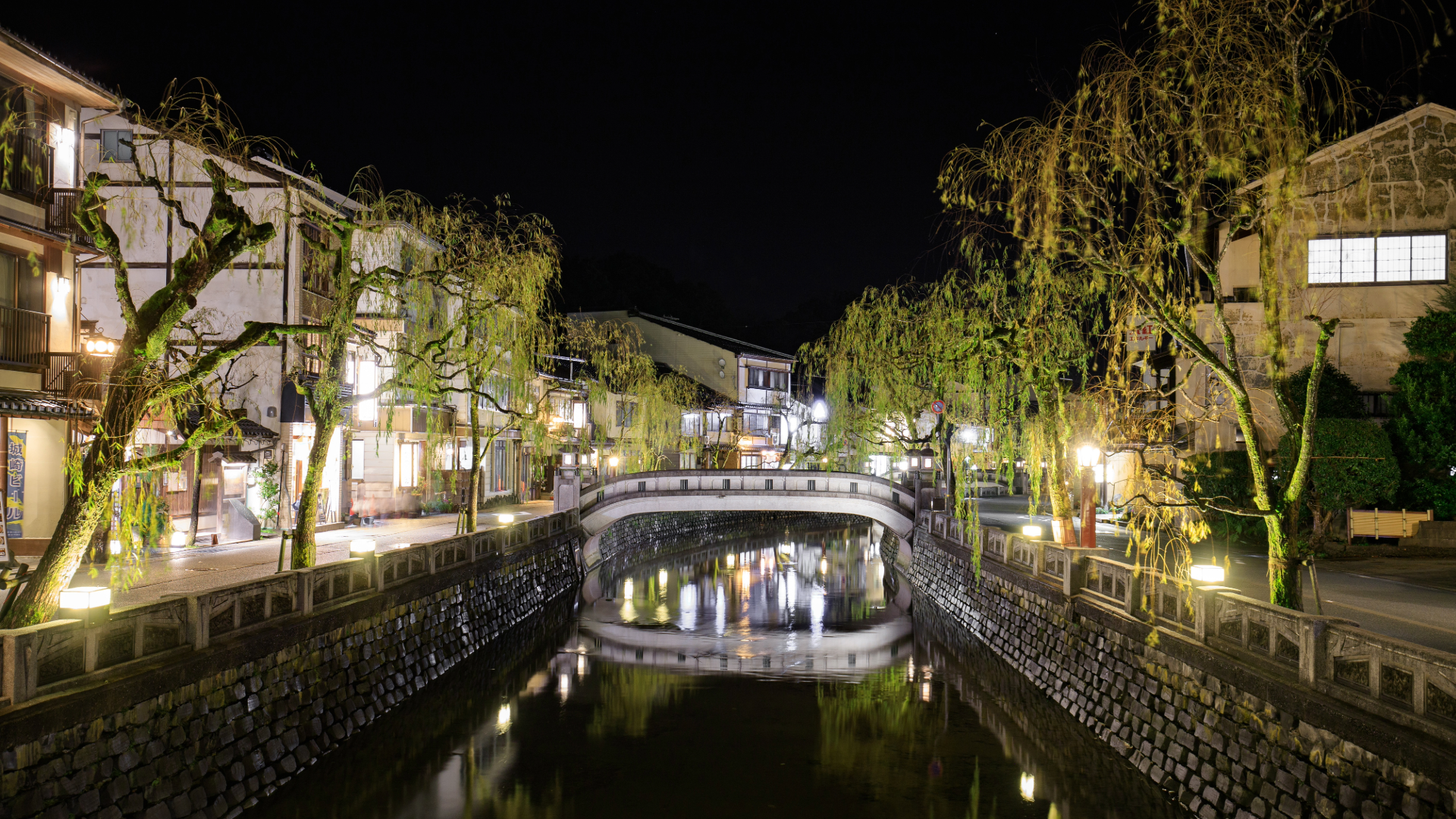
Kinosaki operates seven public bathhouses, and every single one allows tattoos without restriction. When you check into any ryokan here, you receive a digital pass called the "Yumepa" granting access to all seven. The entire point of Kinosaki is soto-yu meguri—wandering between baths in your yukata and wooden geta, sampling each one. The town made a calculated decision: enforcing tattoo bans would break their core product.
The flagship bath, Goshonoyu, features a glass ceiling and outdoor bath facing a waterfall. It's premium, it's beautiful, and it accepts everyone. That signal matters. When your most prestigious facility welcomes ink, you've made a statement about what kind of destination you are.
The logistics: Kinosaki is roughly 2.5 hours from Kyoto or Osaka via limited express. I use a Regional JR Pass (Kansai Wide) to cover this trip because it saves money compared to buying individual tickets.
Most visitors stay one night, hit 4-5 baths, and leave feeling like they've unlocked something most tourists miss.
What to know: Individual ryokans may still restrict their internal baths. But nobody comes to Kinosaki for the in-house bath. The seven public ones are the attraction, and those are fully open.
Beppu (Oita Prefecture)
Japan's "Onsen Capital" took a different approach: radical transparency.
Beppu is sprawling—too large for a single unified policy. Instead, the city publishes an official map listing over 100 tattoo-friendly facilities. They put the burden of research on the municipality, not on you.
However, finding these local bathhouses requires navigation. Make sure you have an Airalo eSIM installed so you can map your route in real-time.
Key facilities:
Takegawara Onsen — The iconic Meiji-era bathhouse with sand baths. Fully open.
Hyotan Onsen — Three Michelin stars, private-facility quality, no tattoo restrictions.
Kaimonji Onsen and Hamawaki Onsen — Municipal baths with an open mandate.
The ANA InterContinental Beppu has also adopted tattoo-friendly status, which signals that even the international luxury tier is aligning with the city's vision.
The logistics: Beppu is accessible via Shinkansen to Kokura, then limited express to Beppu Station. I recommend booking your train tickets in advance to secure luggage space. Budget 2-3 days minimum. The variety here rewards slower exploration.
Kusatsu Onsen (Gunma Prefecture)
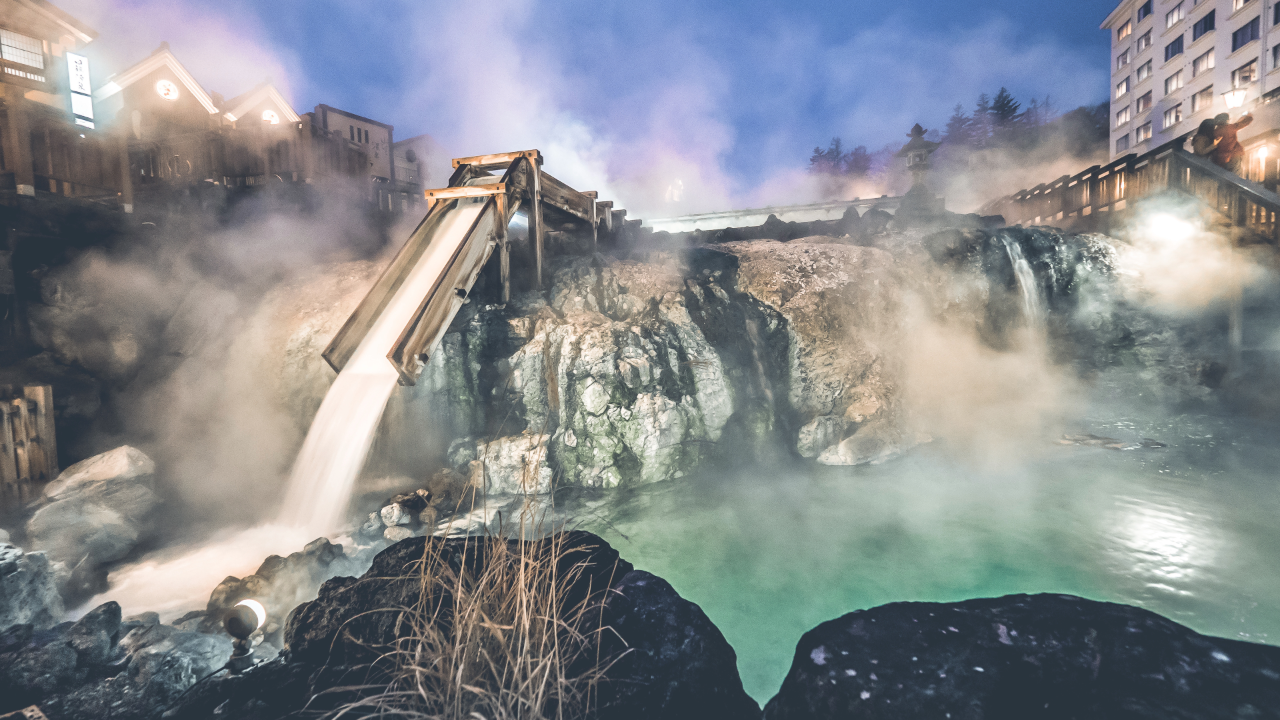
Kusatsu regularly tops domestic "best onsen" rankings. Its approach is strategic: the three main public baths are open, even if private ryokans lag behind.
The open facilities:
Sainokawara Rotenburo — A 500-square-meter outdoor bath. The scale matters here. When a bath is this large, your tattoo becomes one visual element among many. The "intimidation factor" that historically justified bans dissolves when you're 30 meters from the nearest bather.
Otakinoyu — Famous for awase-yu (mixed temperature bathing). Open.
Gozanoyu — Open.
The catch: Private ryokans in Kusatsu remain conservative. Hotels like Sakurai technically ban tattoos in communal baths, though they'll offer private alternatives. If you're staying overnight, you're likely bathing in your room or in the public facilities—not the ryokan's shared bath.
The logistics: Kusatsu is about 3 hours from Tokyo via bus from Shinjuku. No direct rail. Day trips are possible but tight. An overnight lets you experience the yumomi (water cooling) performance and late-night bathing when the town quiets down.
Dogo Onsen (Ehime Prefecture)
If Dogo Onsen Honkan—a registered Important Cultural Property, arguably Japan's most historic bathhouse—allows tattoos, then any argument about "tradition" requiring exclusion falls apart.
And it does allow them. Unrestricted.
The secondary facilities, Asuka-no-Yu and Tsubaki-no-Yu, follow the same policy. The entire Dogo district operates as a unified open zone.
The logistics: Dogo is in Matsuyama, Shikoku. Accessible via domestic flight or a long rail journey involving multiple transfers. Most visitors combine it with Naoshima or the Shimanami Kaido cycling route.
The Corporate Chains: Decoding the Sticker System
Major hotel chains needed standardization. They couldn't train staff at 200 properties to make judgment calls about which tattoos look "criminal." So they created measurable rules: if your ink fits under X stickers of Y dimensions, you're in.
This works for small tattoos. It's a dead end for sleeves and back pieces.
Hoshino Resorts (Kai, OMO, Hoshinoya, Risonare)
The baseline rule: Tattoos permitted if covered by one 8cm × 10cm sticker.
That's 80 square centimeters. Enough for a small shoulder piece. Not enough for anything running down your arm.
Brand variations:
Kai properties (luxury ryokan tier): Strict adherence to single-sticker rule.
OMO properties (urban tourism): Variable. OMO7 Osaka restricts visible tattoos in public baths. But OMO Kansai Airport is fully tattoo-friendly—no restrictions at all. It functions as an international transit hub, so they applied international norms.
Tomamu (Hokkaido resort): Kirin-no-Yu prohibits tattoos entirely, regardless of size. High volume of families; they went conservative.
Booking note: If you're choosing between Hoshino properties and have visible ink, OMO Kansai Airport is your pressure-free option.
Dormy Inn
Dormy Inn is the sleeper pick for business travelers who want genuine onsen facilities without ryokan prices. Almost every location has a rooftop or basement bath using real hot spring water, plus free late-night ramen.
The rule: Tattoos prohibited in principle, but permitted if concealed. Front desks provide waterproof bandages, typically 8cm × 13cm—slightly larger than Hoshino's patches.
The reality: User reports describe a "don't ask, don't tell" dynamic, particularly in urban locations like Ginza or Kyoto. If your tattoo isn't visible at check-in and you behave appropriately in the bath, enforcement is often lax. But this isn't guaranteed. If another guest complains, staff will enforce the printed rules.
The workaround: Dormy Inn's premium brands—Onyado Nono and La Vista—emphasize private rental baths. At many Nono locations, these are free and don't require reservations. If you have larger tattoos, book these brands specifically.
APA Hotels
Japan's largest budget chain. Clear, calculable rules.
The policy: Two stickers, 10cm × 12cm each. That's approximately 240 square centimeters total—meaningfully more coverage than Hoshino or Dormy.
Stickers are free for overnight guests (up to two per night). Day users can purchase them.
When to book APA: If you're traveling on a budget, have medium-sized tattoos (think: upper arm piece, calf tattoo), and want a predictable policy, APA gives you the math upfront.
Route Inn
Approach with caution.
Route Inn is frequently listed among chains that prohibit tattooed guests outright. Unlike APA or Dormy, they don't actively promote a sticker compromise. Individual locations may show leniency, but the corporate stance is restrictive.
My recommendation: Unless you've verified the specific property's policy, assume Route Inn is off the table for public bath access.
Regional Breakdown: Where Strategy Matters
Hakone
The most conservative major destination—and the most surprising, given its proximity to international tourism out of Tokyo.
The default: Most public baths and ryokan communal facilities strictly ban tattoos. Hakone has historically served domestic elites who expect the "traditional" environment.
The exceptions:
Tenzan Onsen (Hakone-Yumoto) — The pilgrimage site for tattooed bathers in Hakone. Tattoos are welcome, but with a condition: they enforce a "solitary bather" or small-group rule. If you arrive with multiple tattooed friends, you may be turned away. Individuals and couples are fine. It's an anti-"intimidation" measure, but it works in your favor if you're traveling solo or as a pair.
Hakone Yuryo — A day-use facility built almost entirely around private rental baths. This is the play if you have extensive ink and want the Hakone experience. You're not being excluded—you're getting a private outdoor bath overlooking forested mountains.
Yama no Chaya (Tonosawa) — A mid-range ryokan that allows tattoos in the public bath without cover-ups. A genuine exception in the region.
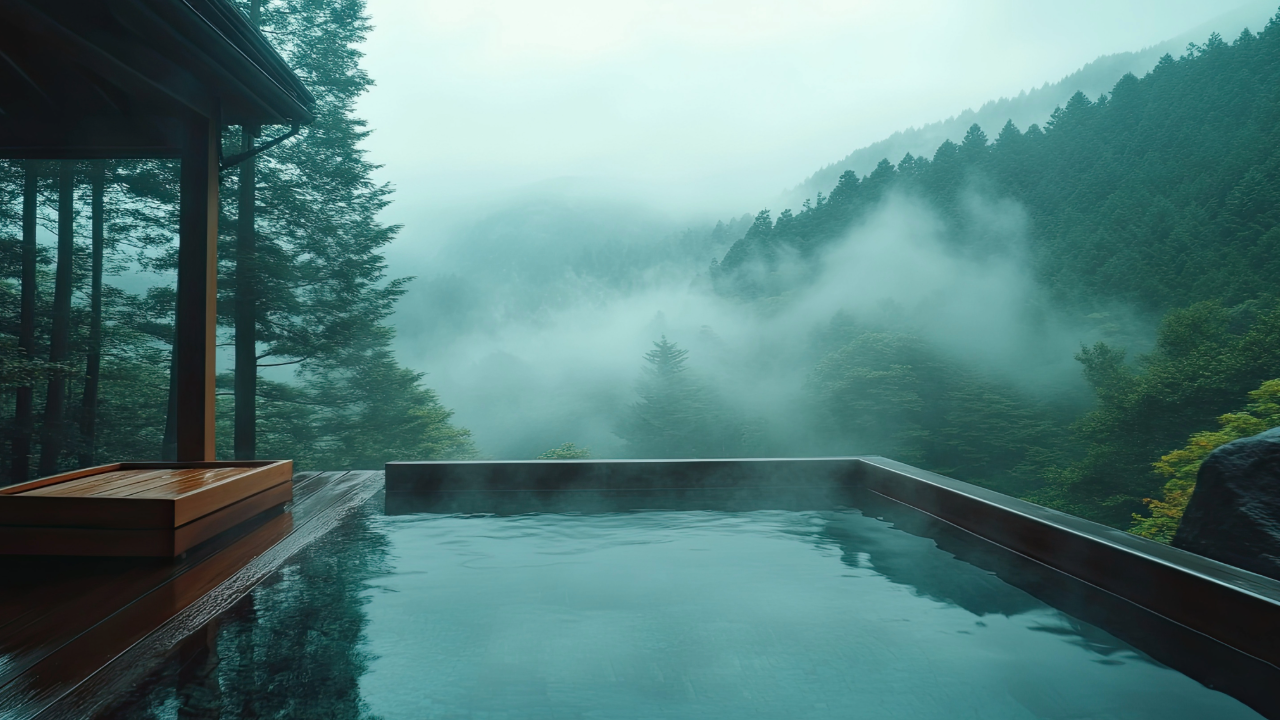
Planning note: If Hakone is non-negotiable for your itinerary and you have large tattoos, book a ryokan with a private in-room bath or budget time for Hakone Yuryo. Don't count on finding walk-in access.
Tokyo: The Sento Renaissance
In Tokyo, the distinction between sento (public bathhouse) and super sento (commercial leisure complex) is everything.
Sento are legally classified as essential public hygiene facilities. Discrimination based on appearance is harder to enforce. And a wave of renovated sentos has emerged, explicitly branding themselves as inclusive spaces.
The tattoo-friendly sentos:
Koganeyu (Kinshicho) — Renovated in 2020 into a concrete-and-wood designer space. Explicitly tattoo-friendly. Craft beer on tap. DJ nights. This isn't your grandfather's bathhouse.
Daikokuyu (Oshiage) — Near Tokyo Skytree. Natural hot spring water, large outdoor bath, official tattoo-friendly policy.
Mannenyu (Shin-Okubo) — Hidden in Korea Town. Strict no-discrimination policy.
The exclusion: Major commercial complexes like Thermae-Yu (Shinjuku) generally prohibit tattoos, though they've adopted sticker workarounds similar to the hotel chains.
Planning note: If you're spending multiple days in Tokyo, the sento circuit offers genuine cultural immersion that tourist-focused facilities can't match. These are neighborhood baths where locals actually go.
Kyoto
Kyoto's older bathhouses have always been tolerant. The city's artisan culture extends to viewing tattoos as craft.
Funaoka Onsen — A registered Tangible Cultural Property. Intricate wood carvings, majolica tiles, and one of the most famous tattoo-friendly policies in Japan. Mixed crowd of locals, tourists, and heavily inked regulars.
Sauna no Umeyu — Revitalized by a young owner who operates a tattoo studio on the second floor. The positioning is intentional: bathing and body art as complementary practices.
Kurama Onsen — In the mountains north of the city. The outdoor bath here, with views of forested slopes, has historically welcomed tattooed guests. (Verify current operational status before visiting—it's had intermittent closures.)
Hokkaido
The northern island trends pragmatic. Heavy reliance on international ski tourism means accommodating Western norms.
Hoheikyo Onsen (near Sapporo) — Massive outdoor bath, on-site Indian curry restaurant, fully tattoo-friendly. The combination of wilderness setting and open policy makes this a highlight.
Note: Hokkaido’s best spots are spread out and public transit is infrequent. I highly recommend renting a car (via Rakuten Travel) to explore at your own pace.
Noboribetsu: The most famous onsen town in Hokkaido. Dai-ichi Takimotokan, the flagship hotel, requires cover-ups in public baths but actively promotes private bath options for tattooed guests. They've acknowledged the market demand without fully liberalizing.
The Sticker Math: Know Your Limits
If you're attempting the corporate cover-up route, do the calculation before you check in.
| Chain | Policy | Size Limit | |
|---|---|---|---|
| Hoshino Resorts | Strict (1 sticker max) |
8cm × 10cm | Check Rates |
| Dormy Inn | Lenient (1-2 stickers) |
8cm × 13cm | Check Rates |
| APA Hotels | Explicit (2 stickers free) |
10cm × 12cm | Check Rates |
A small shoulder piece or ankle tattoo fits under any of these. A half-sleeve does not. A back piece is out of the question.
Multiple stickers are generally prohibited—facilities don't want a "patchwork" appearance. If you need to cover multiple areas, you're being funneled toward private baths.
The Ryokans That Explicitly Welcome You
Beyond policies of tolerance, a subset of ryokans has made tattoo acceptance part of their brand.
Kashiwaya Ryokan (Shima Onsen, Gunma) — Their English site states it directly: "Please don't care Tattoos." Three private outdoor baths (free to use), plus tattoos accepted in all public bathing areas.
Ryokan Sawanoya (Tokyo, Yanaka) — Family-run inn in one of Tokyo's most atmospheric neighborhoods. Two private baths, welcoming atmosphere regardless of appearance.
Nazuna properties (Kyoto) — Converted machiya townhouses with in-room open-air baths. Modern, design-forward, explicitly international-guest friendly.
The Bottom Line
The 2026 landscape is navigable. But navigation requires matching your situation to the right facility type:
Small tattoos: Corporate chains with sticker policies work. Hoshino, Dormy, APA—pick based on budget and location.
Medium tattoos: Target the open towns (Kinosaki, Beppu, Kusatsu public baths) or book properties with strong private bath infrastructure (Onyado Nono, La Vista, luxury ryokans with in-room onsen).
Extensive coverage: Open towns are your only public bathing option. Everywhere else, you're booking private facilities—which, frankly, are often the superior experience anyway.
Zero friction: Kinosaki. Book a ryokan, get your Yumepa pass, and spend an evening wandering between seven baths in your yukata. No stickers, no questions, no stress.
The doors are open. You just need to know which ones.