
Nikko, Japan: A Complete Guide to the Town of Shrines and Spirits
Note: This article contains affiliate links that support my independent reporting.
Why I Chose to Drive (And Why You Should Too)
The journey from Tokyo is a transformation. As the concrete fades into the lush green of the Tochigi mountains, the air changes. It becomes crisp. Fresh.
While you can take a train to Nikko station, the real magic lies roughly 1,200 meters up the mountain. Relying on public transit here means waiting in lines and missing the hidden viewpoints.
I rented a car for this trip, and it changed the entire texture of the experience. Instead of watching the landscape roll by through a train window, restricted to a track, I was part of it. Driving the legendary Irohazaka Winding Road—with its 48 hairpin turns—isn't just transit; it's an event. Having the car meant I could pull over the second the light hit the autumn leaves perfectly. It meant I could chase the sunset at Lake Chuzenji without worrying about the last bus back to town.
If you're considering the same approach, Rakuten Travel lets you compare rates across Japan's major rental companies in one search.
The Gateway: Shinkyo Bridge
My first stop was the entrance to Nikko National Park. Even with a car, you have to get out and walk to appreciate the Shinkyo Bridge.
According to legend, this crossing was first built in the 8th century when a priest needed to ford the river and a god summoned two giant snakes to form the span. The current vermillion structure dates back to 1636. Standing there, watching the clear waters of the Daiya River flow beneath, you understand why this bridge symbolizes the separation between the human and spiritual realms.
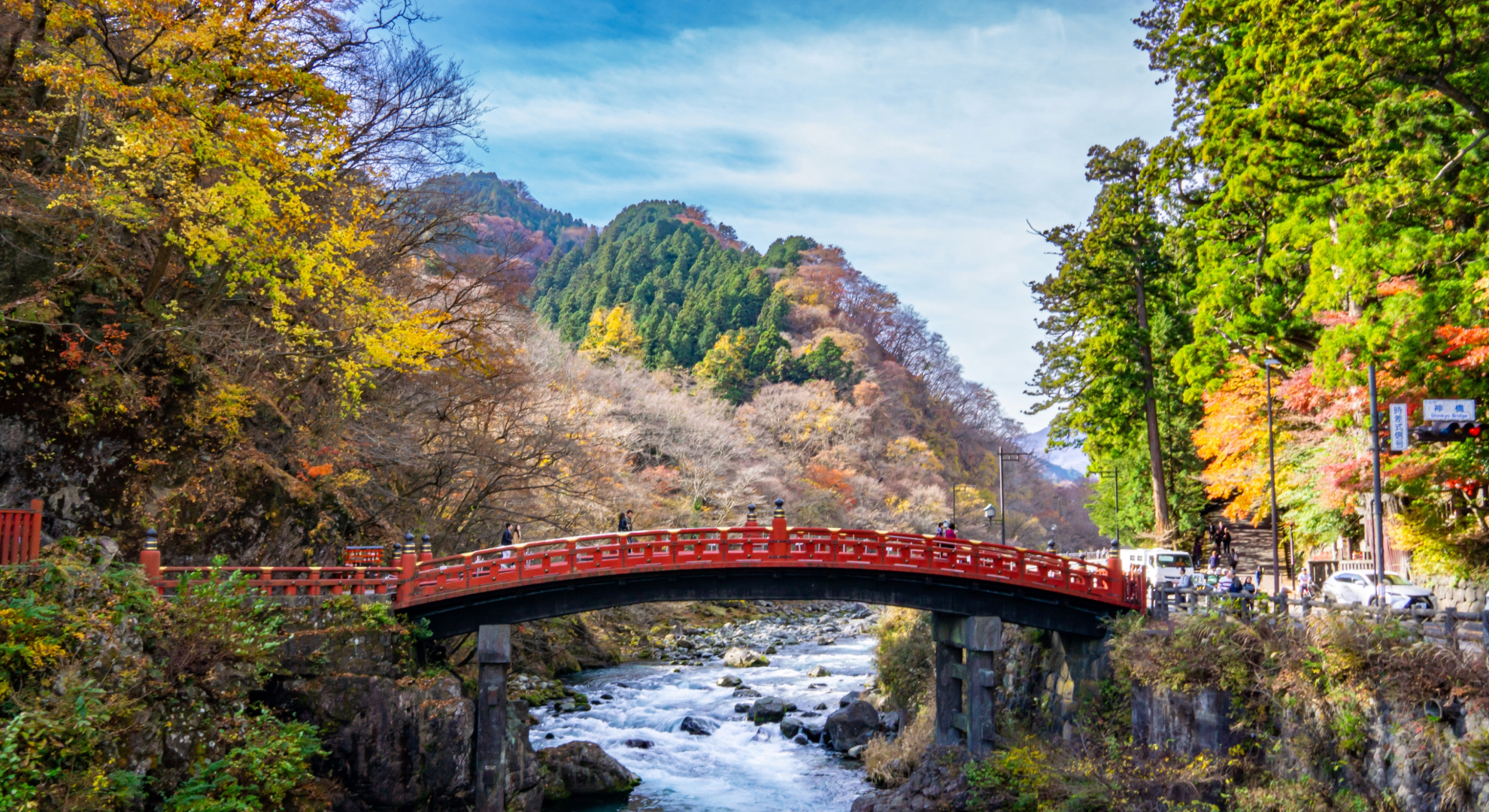
Red Shinkyo Bridge Nikko Japan
The Heart of History: Toshogu Shrine
A short drive from the bridge lies Nikko Toshogu Shrine. Built in the 17th century, it is the final resting place of Tokugawa Ieyasu, the shogun who unified Japan.
The craftsmanship here is staggering. Intricate carvings, gold leaf, and the famous "Three Wise Monkeys"—see no evil, hear no evil, speak no evil. Photography is not allowed inside the housed areas, so this is a place to put the camera down and simply be present.
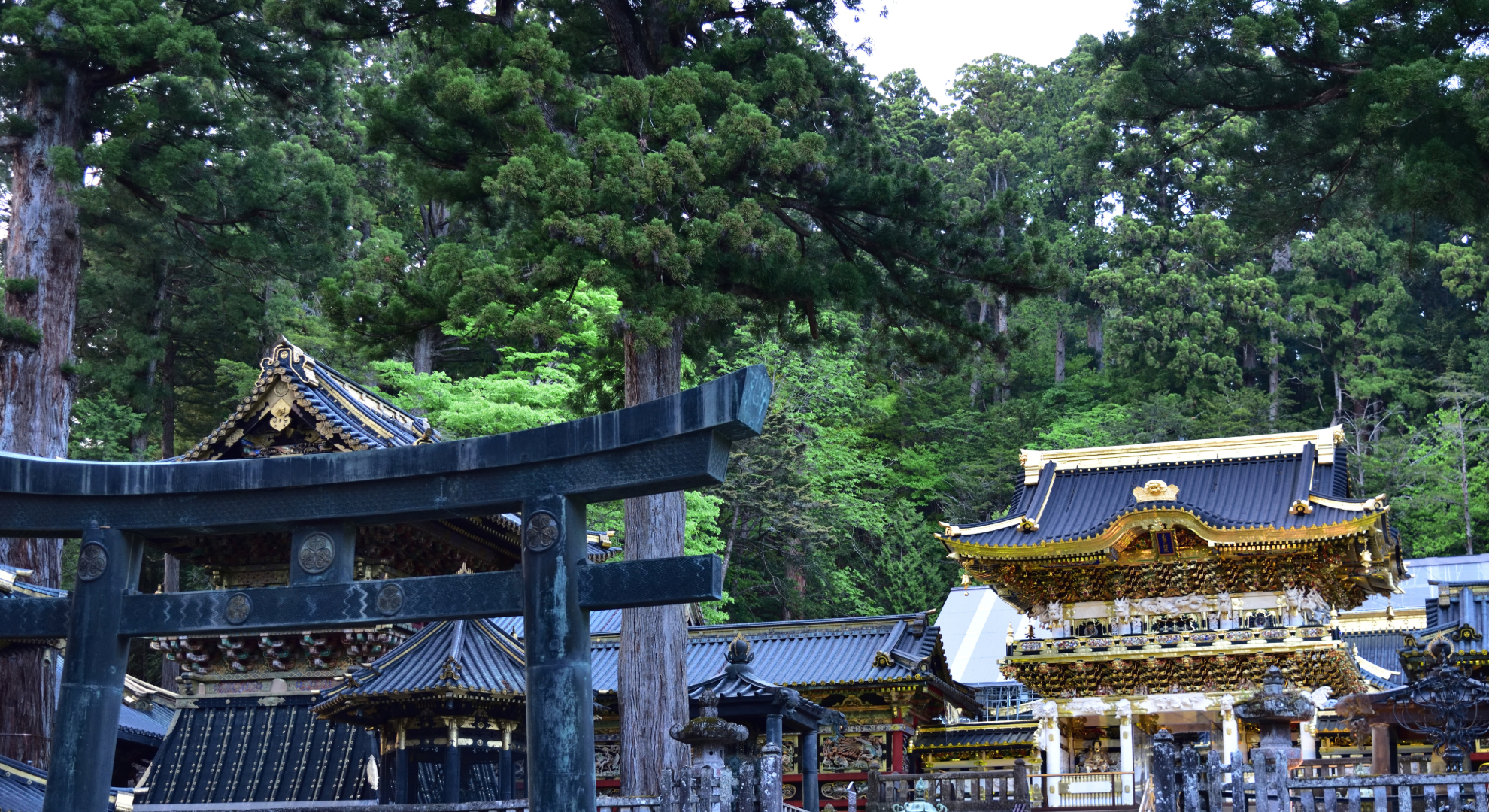
Yomeimon Gate (Gate of Sunset)
The Ascent: Lake Chuzenji
This is where having the car paid off the most.
Located at an elevation of 1,269 meters—higher than Toronto's CN Tower—Lake Chuzenji was formed 20,000 years ago by a volcanic eruption. The water is impossibly blue, surrounded by mountains that, in October, turn into a tapestry of fire-reds and burnt oranges.
I parked the car right at the water's edge, something impossible to do if you're hauling luggage on a bus. With the drone overhead and the freedom to move at my own pace, I realized that Nikko isn't just a destination; it's a mood.
To beat the crowds to the top, I needed a head start. I set up base camp at Fairfield by Marriott Nikko in the foothills—close enough to start the climb while the tour buses were still sleeping in Tokyo.
If you're planning a trip to Nikko, skip the bus queue. Rent a car, take the wheel, and explore these mountains on your own terms.
Recreate this Trip
🚗 The Car:
Rakuten Rentals
(Essential for the hairpins)
🏨 The Stay:
Fairfield by Marriott Nikko
(Perfect base camp)
📶 The Data:
Airalo eSIM
(For reliable GPS)