
The Tokyo Most Tourists Skip
Note: This article contains affiliate links that support my independent reporting.
The Quiet Corner of Tokyo Only Locals Know
Most of Tokyo is a reconstruction. The glitz of Ginza and the neon of Shinjuku are built on the ashes of 1945. But if you head to Bunkyo ward and step through the massive wooden gates of Gokokuji Temple, you aren't looking at a replica. You are looking at survival.
Founded in 1681 by the 5th Tokugawa Shogun, Tsunayoshi, Gokokuji was built to honor his mother. While firebombings leveled the city during WWII, Gokokuji remained miraculously intact. The main hall is a masterpiece of Genroku-era architecture—massive, weathered cedar beams and intricate stone carvings that have stood for over three centuries. When you walk these grounds, you are walking the same paths that monks and shoguns trod before the internal combustion engine was even a dream.
The Morning Prayer No One Talks About
If you arrive early enough, you'll witness something that captures the Japanese spirit better than any museum: Radio Taiso.
Every morning, like clockwork, the neighborhood seniors gather in the temple courtyard. A tinny piano melody begins to play over a loudspeaker, and dozens of people move in perfect, practiced unison—arms stretching skyward, bending at the waist, rotating in synchronized rhythm. These calisthenics are a national institution, but here, under the gaze of a bronze Buddha and the dark wooden eaves of a 17th-century hall, they feel like a morning prayer.
There are no tourists here shouting for selfies. There is only the soft sound of feet on gravel and the collective breath of a community that values consistency over chaos.
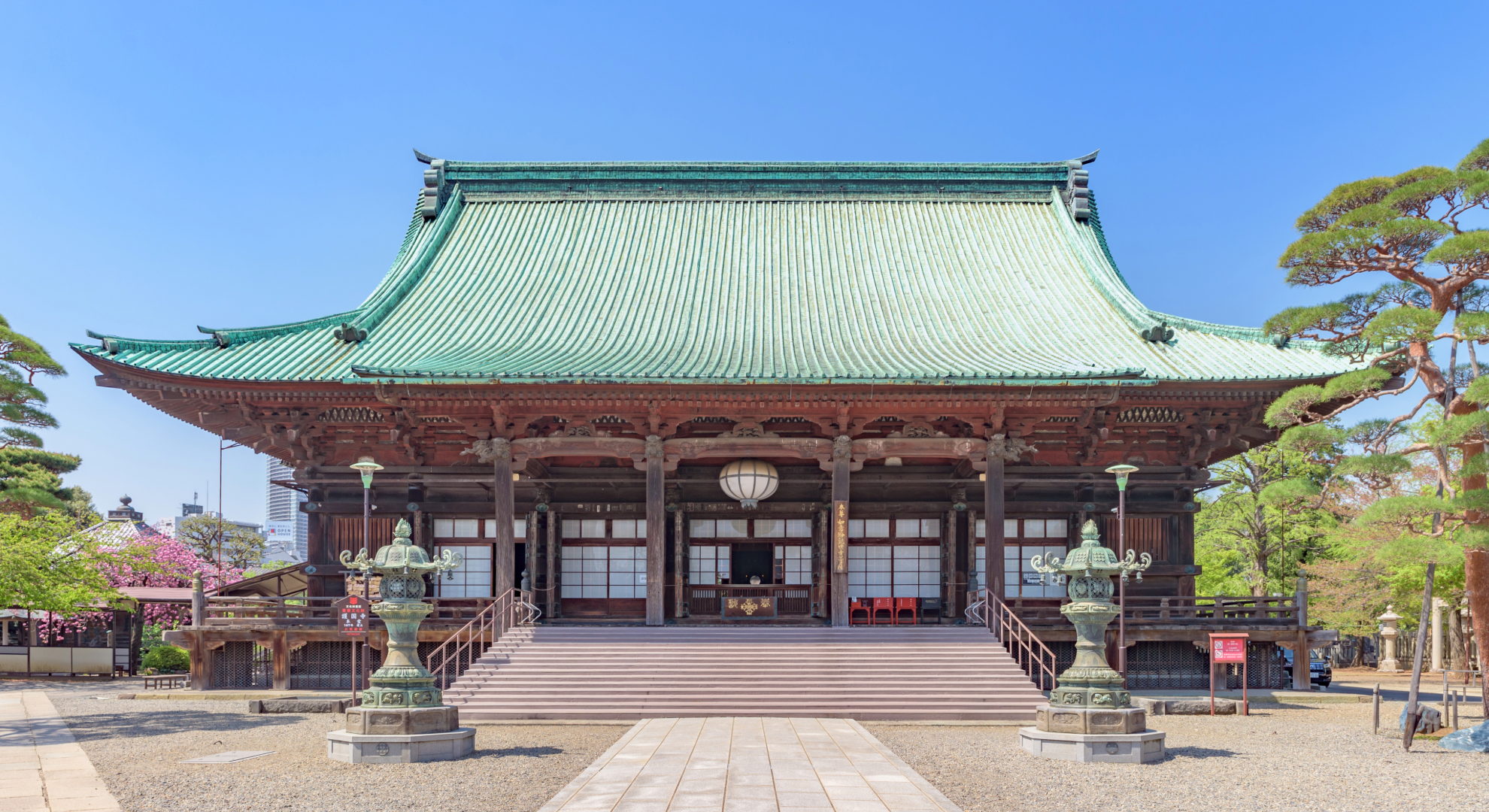
The Kannon-do at Gokokuji: A masterpiece of Genroku-era architecture that survived World War II.
The Streetcar That Refused to Die
Leaving the temple, the journey into old Tokyo continues. A short walk leads you to the Toden Arakawa Line—the only survivor of Tokyo's once-vast streetcar network.
The Toden Arakawa streetcar isn't on most tourist maps. To navigate these backstreets without getting lost, reliable data is mandatory. I use Airalo eSims for instant connectivity. And because I often end up working from the open WiFi in local cafes along the route, I always toggle on NordVPN to keep my banking data and passwords secure while I roam.
While the Yamanote screams past at high speed, the Toden streetcar rolls through the backyards of Otsuka at a pace that allows you to actually see life happening. Laundry hangs on balconies. Small vegetable gardens crowd between buildings.
Tiny family-run shops open their doors to the street. One tram passes in pink with flower designs; another in classic green and cream. It's a moving gallery of the shitamachi lifestyle, a reminder that the fastest way to get somewhere isn't always the best way to see it.
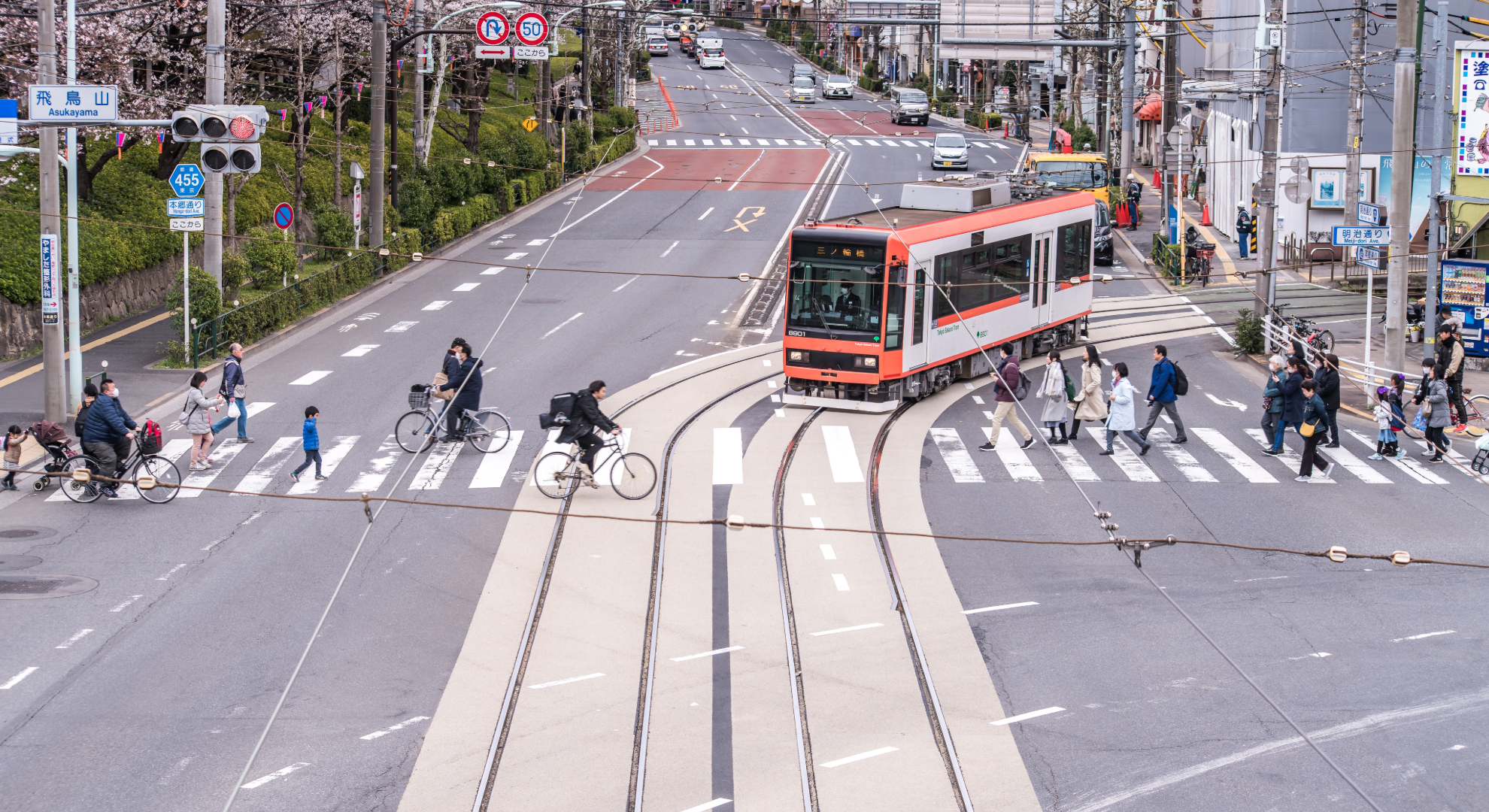
The Toden Arakawa Line: Tokyo's last remaining streetcar, weaving through the quiet corners of the city.
Otsuka After Dark
The neighborhood surrounding Otsuka Station has a lived-in feel that resists polish. The Sun Mall arcade is older and more cluttered than anything in Shibuya—colorful signs stacked on top of each other, small vegetable stands, a Lawson Store 100. This isn't curated. It's just everyday Tokyo, uninterested in impressing anyone.
I wandered until the rain came.
Night fell and the streets turned reflective, neon signs shimmering on wet asphalt. Pedestrians appeared with clear plastic umbrellas. The warm glow of convenience stores and corner izakayas cut through the drizzle, and suddenly Otsuka transformed into something cinematic—not despite the rain, but because of it.
Where to Stay: The Otsuka Base Camp
If you want to experience this "shitamachi" vibe properly, don't just visit—sleep here.
OMO5 Tokyo Otsuka by Hoshino Resorts
Located right at the station (and overlooking the streetcar tracks), this hotel captures the modern/retro mix of the neighborhood perfectly. It’s significantly cheaper than Shinjuku but keeps you on the Yamanote line loop.
Most visitors don't think to stop here. But that's fine. The quiet corners, the hidden gems, the way the city flickers just before dusk—these aren't meant to be discovered by everyone.
The Long Way Home
Later that night, I found myself standing beneath the Marunouchi dome of Tokyo Station. The ceiling arched high above me—ornate yellow reliefs, classic European grandeur, travelers in coats crossing the polished geometric floor.
It struck me how Tokyo holds all of this at once: the ancient and the reconstructed, the loud and the still, the famous and the forgotten. You can spend a lifetime here and never see the same city twice.
I've always preferred the slow steps over the long strides. The places that don't ask to be found. Gokokuji and Otsuka won't make anyone's top ten list, and that's precisely why they're worth the journey.
Until next time, keep wandering.