
The Golden Hour at Senso-ji: Why You Need to Arrive by 7 AM
Finding Stillness in the Shitamachi
I thrive on the electric hum of a city. Give me the chaotic scramble of Shibuya Crossing or the relentless neon of Kabukicho, and I feel alive. But every urbanist has a breaking point. You cannot survive Tokyo on adrenaline alone. You need balance.
It is just after 7:00 AM on a Tuesday. I am standing in the middle of Asakusa—usually a churning sea of tourists, rickshaws, and selfie sticks. Right now, it is dead silent.
This is not just about beating the crowds, though that is a significant perk. It is about catching the city in its most honest state. The morning mood, where the old and new are not fighting for attention but sitting in quiet conversation.
The Approach: Getting There
Asakusa sits in the Shitamachi—the "low city"—Tokyo's grittier, more grounded eastern district. It feels nothing like the glossy commercial corridors of the west side.
Take the Tokyo Metro Ginza Line. It is the oldest subway line in Asia, opened in 1927, and the retro station architecture still carries that pre-war weight. From Shibuya or Omotesando, the fare is ¥210 (~$1.40 USD). Do not bother with a taxi at this hour; the subway at 6:30 AM is an anthropological study in itself—salarymen sleeping standing up, students cramming for exams, the city slowly waking.
Nakamise Dori Without the Noise
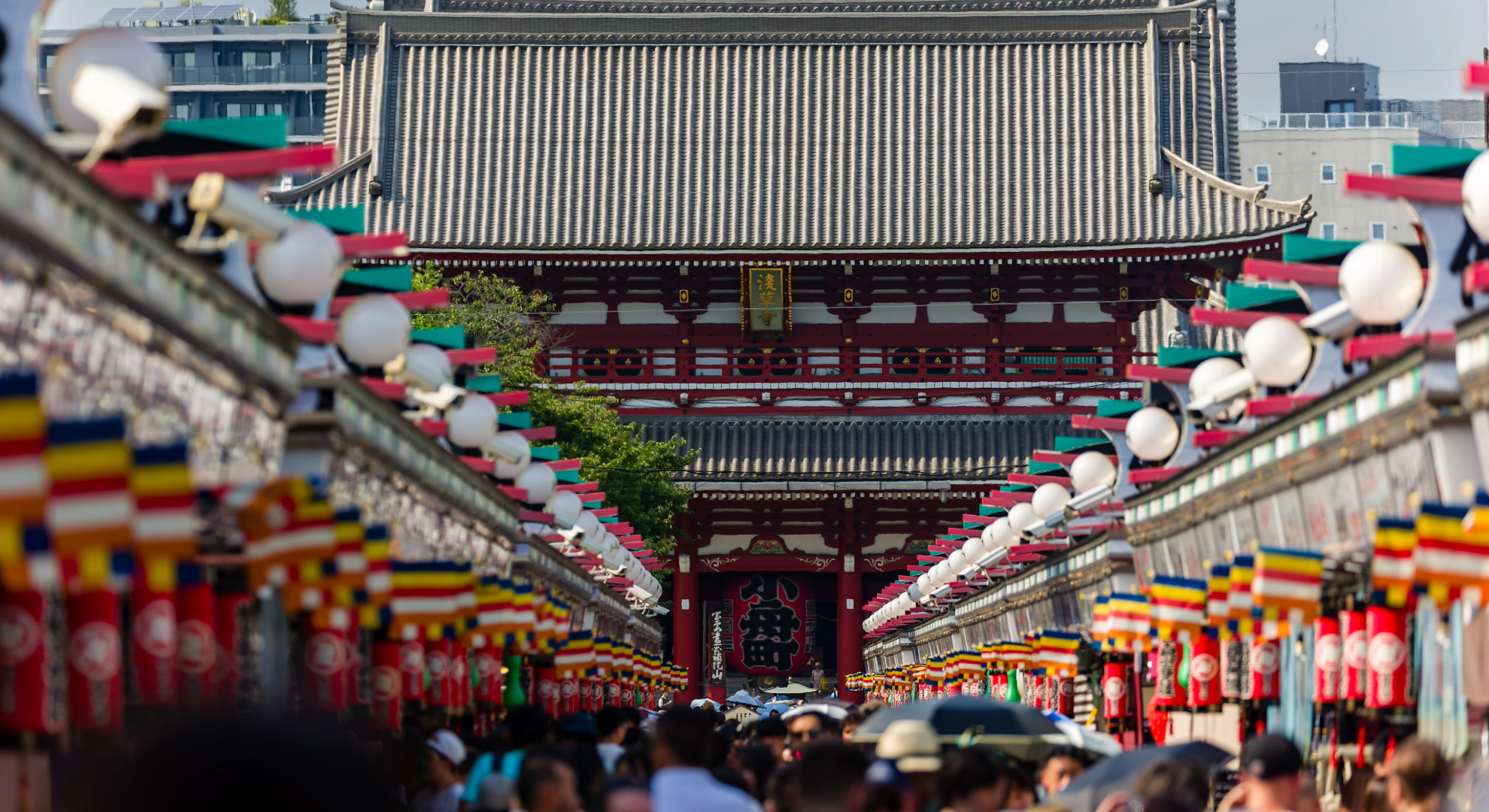
At noon, Nakamise Dori is a gauntlet. Souvenir shops hawking plastic samurai swords, matcha soft serve, a relentless current of bodies pushing toward the temple. At 7 AM, the shutters are down.
This is not a loss. When the shops are closed, you can actually see the Asakusa Picture Scrolls—murals painted on the shutters depicting festivals and Edo-era life. Ninety-nine percent of tourists miss them because they are too busy buying keychains.
This street dates back to the late 17th century, originally built for merchants to sell snacks to pilgrims walking to the temple. Walking it alone, in silence, feels like reclaiming that original purpose. You are not a customer. You are a pilgrim.
The Centerpiece: Senso-ji Temple
At the end of the strip stands Senso-ji, Tokyo's oldest temple.
The founding legend is specific: In 628 AD, two brothers—Hinokuma Hamanari and Takenari—were fishing in the Sumida River and snagged a statue of Kannon, the goddess of mercy. They threw it back. It returned. They threw it back again. It returned again. Eventually, they took the hint.
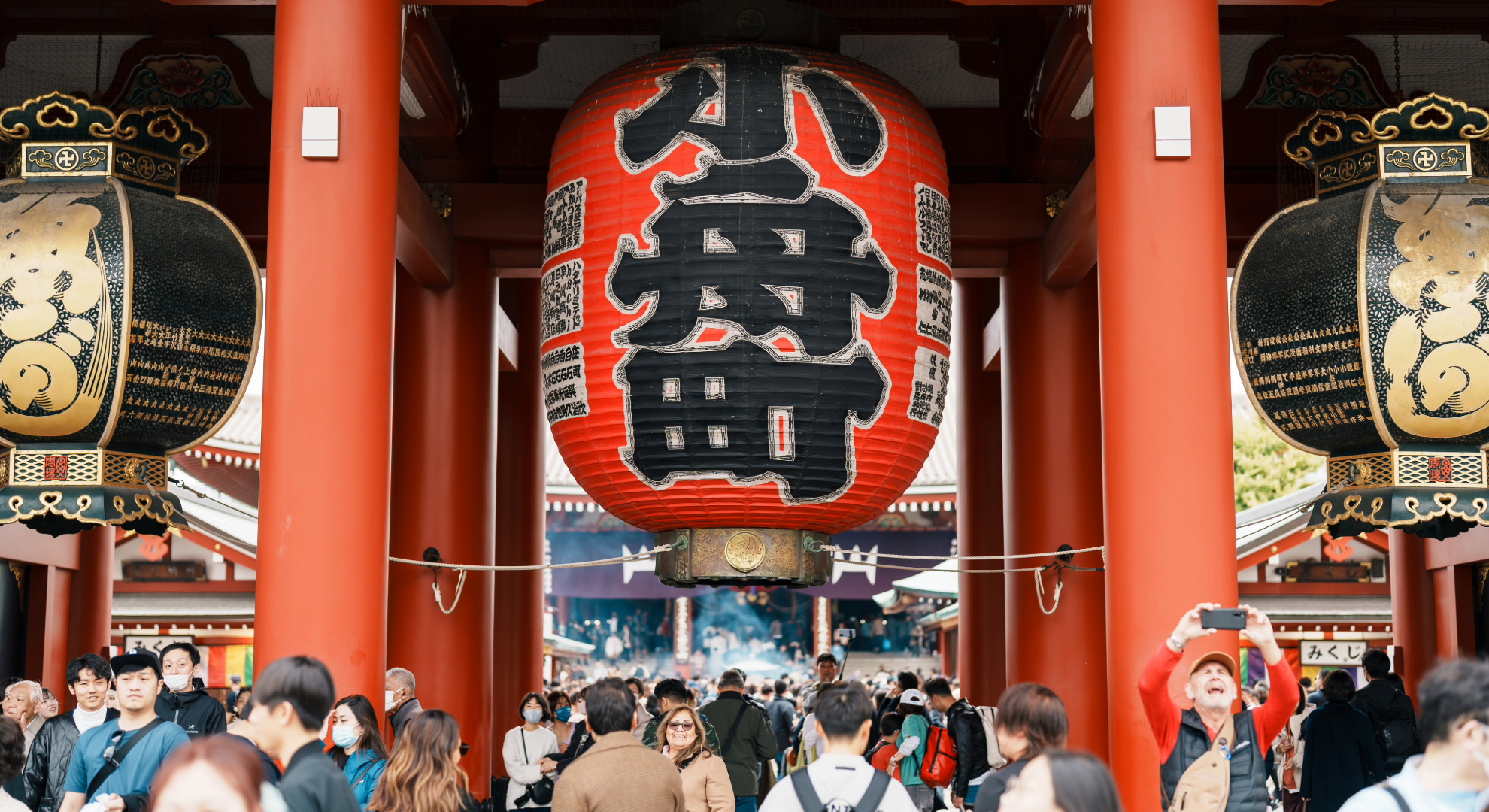
The current structure is not the original. American air raids flattened the area in March 1945, and the main hall was rebuilt in 1958. But the resilience is palpable. Standing under the giant red lantern of the Kaminarimon—the Thunder Gate—without getting elbowed by a tour group is a rare luxury.
For about an hour, the temple belongs to the locals. I watched a traditional wedding photo shoot unfold in the courtyard. Parents beaming. The bride in white kimono. A father playing ninja with his young sons in the open square. It felt intimate. It felt like the city had granted me temporary residency.
The Shift: When the Chaos Returns
The silence has an expiration date.
By 9:00 AM, the spell breaks. Shutters roll up. Tour buses offload. The energy shifts from contemplation to carnival.
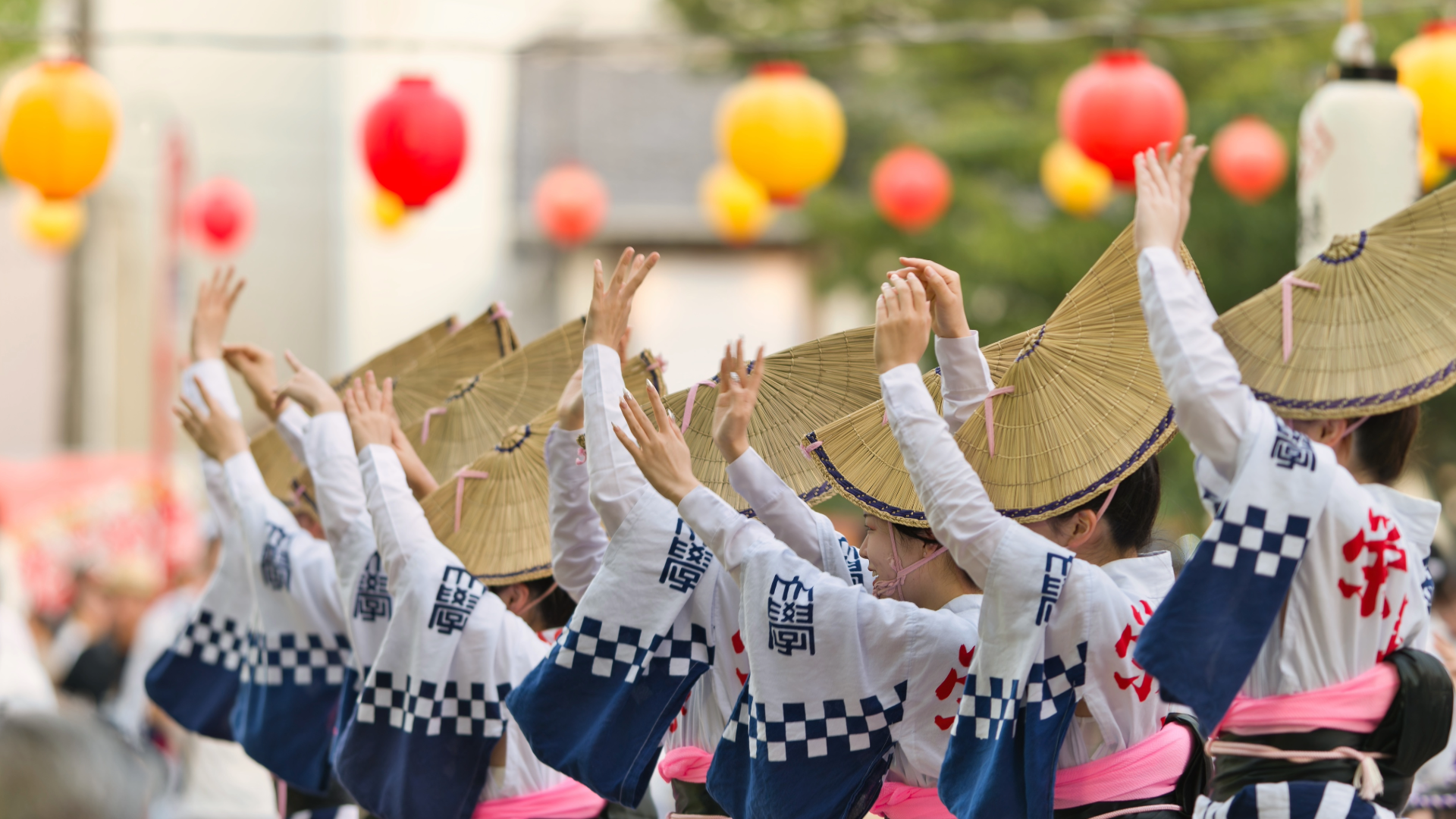
On my way out, I stumbled into an Awa Odori performance—a dance tradition with roots in Tokushima dating back 400 years. The famous chant translates roughly as: "Fools dance and fools watch. If both are fools, you might as well dance."
The dancers in their signature red and white, moving against the grey pavement, were a reminder that Asakusa holds duality without contradiction. Quiet prayer and loud celebration. Ancient ritual and tourist economy. The tension is the texture.
Preserving Your Peace
Preserving your peace in Japan is an intentional act. Asakusa at noon will test your patience. Asakusa at 7 AM will restore something you did not know you had lost.
Set the alarm. Take the Ginza Line. Walk the empty street. Stand under the Thunder Gate before the thunder arrives.
The city gives you this window. Take it.
