
The 3 PM Check-In Wall. Why Japanese hotels won't budge, and how to store your bags when you land at 7 AM
Your red-eye touches down at Narita at 6:47 AM. After immigration and customs, you're standing in Tokyo by 9 AM, bleary-eyed with a rolling suitcase and eight hours to kill before your hotel room is ready.
I've been through this arrival sequence dozens of times. And I used to think I could charm my way into early check-in the way I might at a Marriott in Toronto. I was wrong. Spectacularly, politely, immovably wrong.
Welcome to Japan, where the 3 PM check-in time isn't a suggestion—it's practically a cultural institution.
Why they won't budge
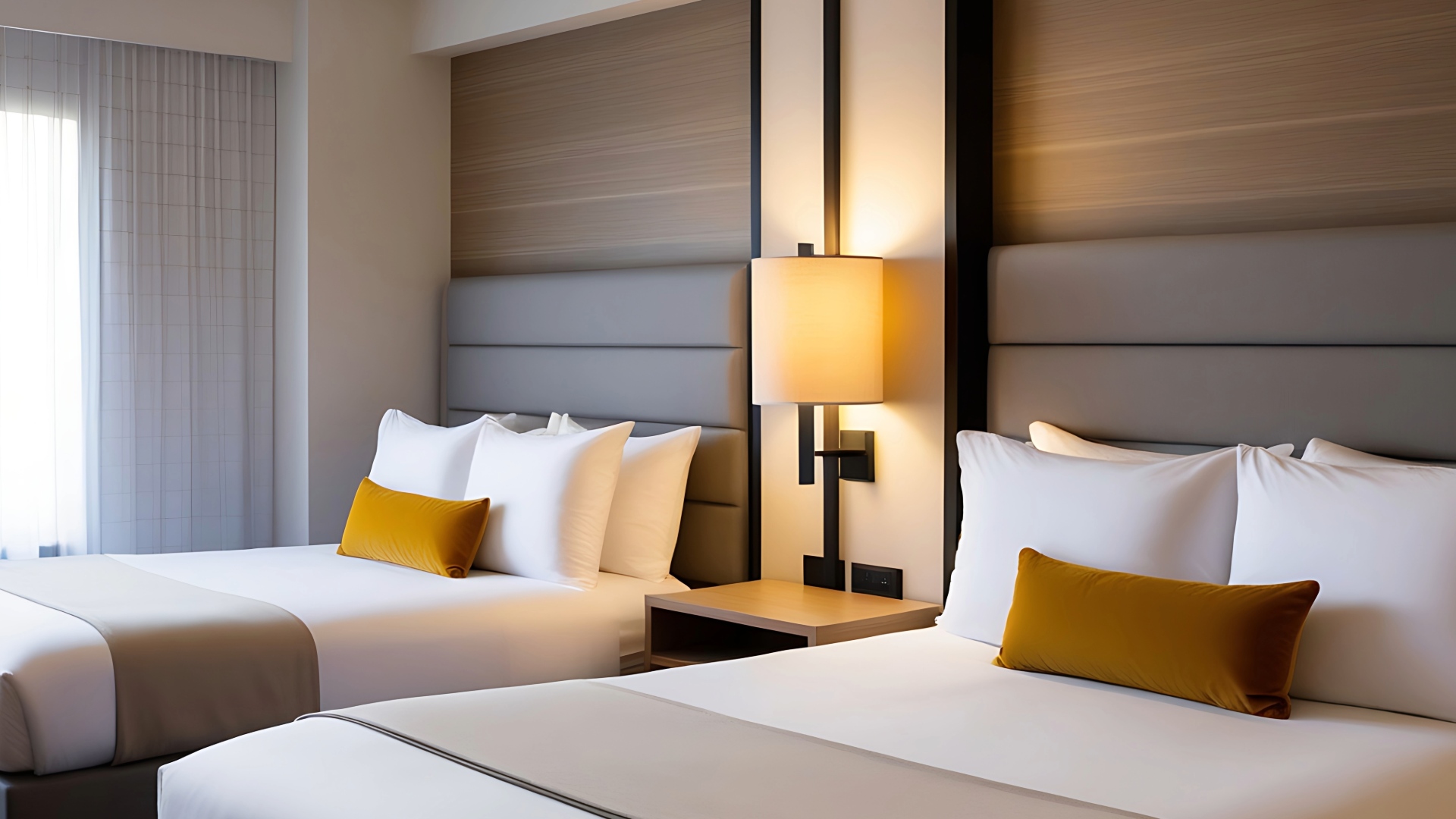
The strictness traces directly to omotenashi—the Japanese concept of wholehearted hospitality rooted in 500-year-old tea ceremony traditions. Presenting a perfect room matters more than accommodating your early arrival.
With checkout at 10–11 AM and check-in at 3 PM, housekeeping has only four to five hours to achieve standards that struck me as obsessive until I understood the intent. Japanese cleaning extends beyond visible surfaces to invisible details: positioning slippers to point toward incoming guests, eliminating hair from corners no guest will ever inspect.
There's also a fairness principle at play. Japanese service culture treats every guest equally rather than rewarding status or persistence. Making an exception for one early arrival would be unfair to others who respected the stated time. Front-line staff typically lack authority to bend the rules anyway.
And yelling? Yelling doesn't work in Japan. It just marks you as someone who doesn't understand the culture you're visiting.
What to do with your bags
Japan's recognition that tourists shouldn't drag suitcases through 8-hour sightseeing marathons has created solid infrastructure. You just need to know what exists.
At the airport, you have two paths. Coin lockers run ¥400–800 per day, or you can use the staffed JAL ABC counters in Narita's arrival lobbies (open roughly 6:30 AM–10:30 PM). Drop bags before noon and they'll arrive at your Tokyo hotel by evening for about ¥2,500–2,800 per suitcase. Haneda and Kansai offer similar setups—and as of February 2025, same-day delivery from KIX now includes Kyoto.
At train stations, timing matters. Tokyo Station's 1,500+ lockers fill fast, especially the large ones. Arrive before 8 AM for best selection. Pro tip: the B4F level near the Sobu Line platform has 37 lockers that consistently have vacancies because the location is inconvenient. When everything's full, the Baggage Room near Marunouchi Central Gate accepts oversized luggage for ¥500–700.
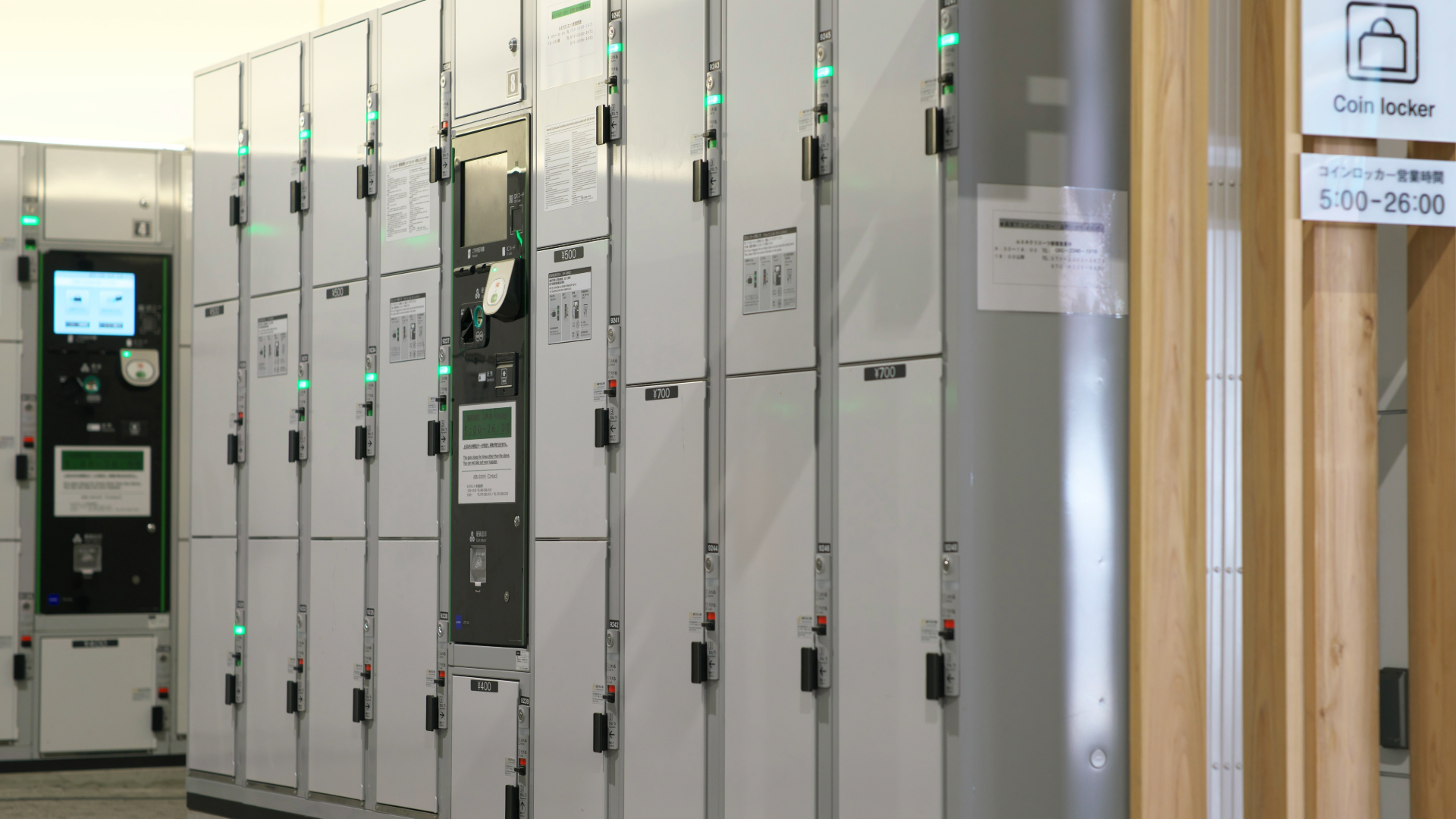
Shinjuku is harder—3.6 million daily users competing for 3,600 lockers. Try the West Exit underground corridor near the Odakyu food basement, or bail to the Sagawa counter at Busta Shinjuku's third floor (¥800/day, same-day hotel delivery if dropped before 11 AM).
Kyoto Station gets brutal during cherry blossom and autumn leaf seasons. ASTY Kyoto and Crosta Kyoto offer storage plus same-day hotel delivery for around ¥1,000 per piece.
The app option
ecbo cloak partners with cafes, salons, and shops across Japan for luggage storage. It's ¥500 per bag or ¥800 per suitcase daily, with insurance up to ¥100,000—a real advantage over uninsured coin lockers. Booking works entirely in English.
One catch for 7 AM arrivals: many partner locations don't open until 9–10 AM. Filter by operating hours.
Alternatives include Bounce (from ¥275/day, ¥1,000,000 coverage) and Radical Storage (¥600/day). These are lifesavers when station lockers are full or you need storage near a specific attraction.
The kuroneko solution
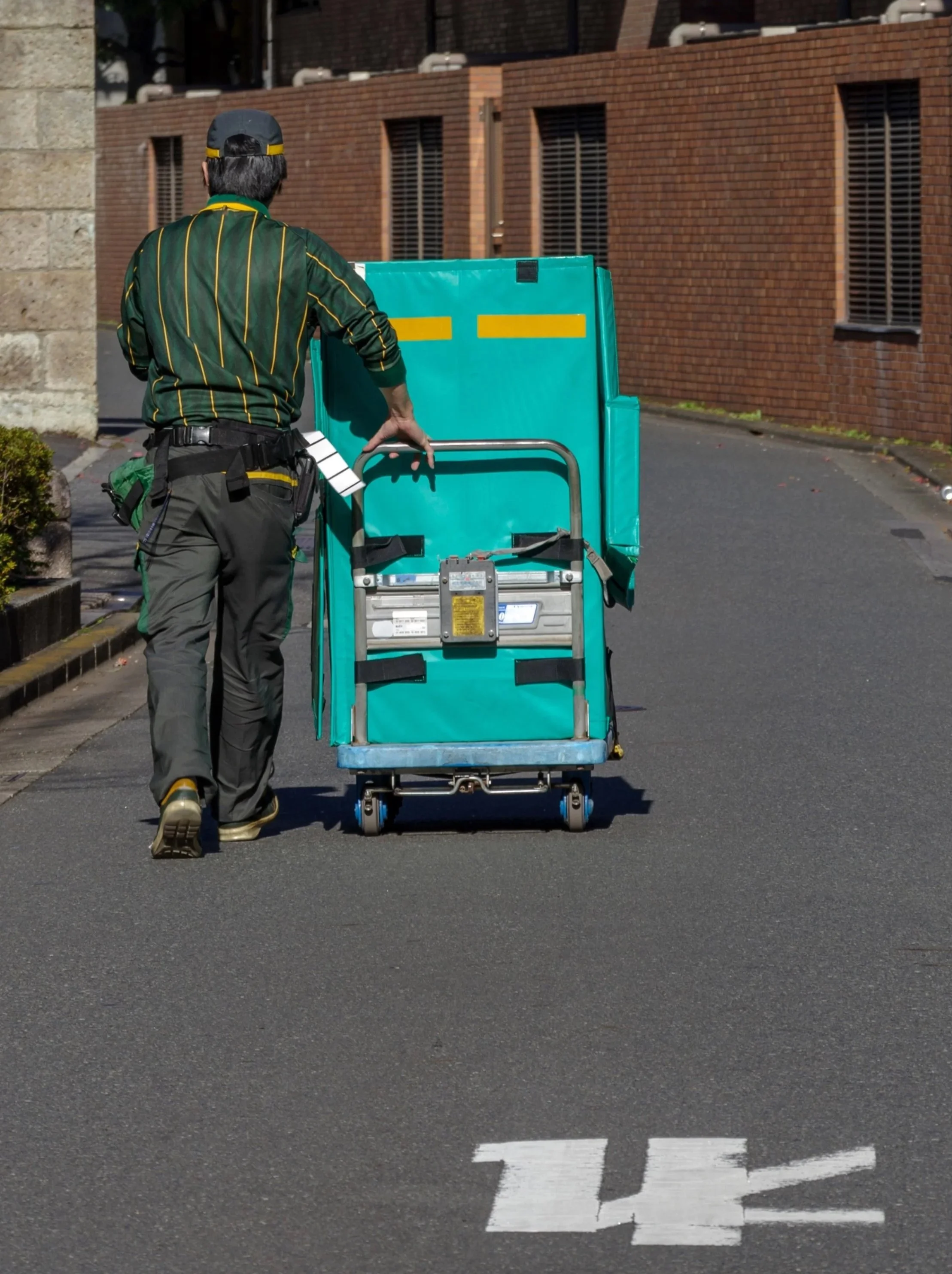
Yamato Transport—the black cat logo you'll see everywhere—offers the most liberating option: send your luggage directly to your hotel and explore unencumbered.
Visit their counter in any major airport arrival lobby, fill out an English waybill with your hotel address (staff help with lookup), and pay ¥2,600–3,200 per suitcase. Bags arrive next day, or same evening from select counters.
For city-to-city moves, your hotel front desk can arrange pickup—ask by morning for next-day delivery to Osaka or Kyoto.
Yamato includes ¥300,000 insurance per parcel. Just don't ship passports, jewelry, or electronics exceeding that limit.
Early check-in strategies that sometimes work
Western chains and luxury properties (Park Hyatt, Ritz-Carlton, Mandarin Oriental) demonstrate more flexibility—noon check-in is possible when rooms are available.
Booking the previous night guarantees immediate access. Yes, it costs an extra night. But for flights landing at 5 AM, the ability to shower and nap often justifies it.
For shorter rest needs: Love hotels offer "rest" rates of ¥1,500–4,000 for 1–3 hours (legitimate for freshening up). Capsule hotels like Nine Hours provide day rates around ¥1,500/hour with shower access. Haneda has 24-hour showers (¥1,500/30 min) and Izumi Tenku no Yu hot springs (¥4,800 full spa).
What your travel insurance actually covers
Coin lockers are safe but uninsured. Most travel policies cover theft from lockers if you file a police report within 24 hours—but items without receipts typically cap at $150.
App-based storage has better coverage: ecbo cloak up to ¥100,000, Bounce up to $10,000.
Yamato's built-in ¥300,000 coverage handles most situations. But here's the gap most travelers miss: standard baggage delay coverage applies to airlines, not forwarding services. If Yamato delivers to the wrong hotel, your personal policy probably won't help—their carrier liability kicks in instead.
Worth knowing: Most travelers don't realize their credit card or basic policy excludes forwarding services and stored valuables. Understanding what travel insurance actually covers → can save you from an expensive surprise.
FAQ
Why do Japanese hotels check in at 3 PM? Japanese hospitality culture prioritizes presenting a perfectly prepared room. The 4–5 hour window between checkout and check-in allows housekeeping to achieve meticulous standards—and cultural norms around fairness mean staff won't make exceptions.
Can I ask for early check-in? You can ask, but expect a polite no. Luxury international chains show slightly more flexibility when rooms are available.
What's the cheapest luggage storage? Coin lockers (¥400–800/day), but no insurance. Bounce starts at ¥275/day with coverage.
How does Yamato delivery work? Visit their airport counter, fill out a waybill, pay ¥2,600–3,200 per bag. Next-day delivery to your hotel, ¥300,000 insurance included.
Can I send luggage from Tokyo to Kyoto? Yes. Ask your hotel to arrange pickup by morning for next-day delivery, typically ¥2,000–3,000.
The 3 PM check-in wall reflects values that define Japanese society: meticulous preparation, equal treatment, and the belief that perfection matters more than convenience.
Stop fighting it. Forward your bags, explore unencumbered, and check in when your room is genuinely ready.