
The No-Show Trap. Miss one night in Japan and you might never book there again
You land in Tokyo two hours late. Mechanical failure in San Francisco—not your fault. By the time you clear customs and check your phone, it's 10 PM. The ryokan in Hakone marked you as a no-show at 8 PM. Your card has been charged ¥45,000. And somewhere in a database you'll never see, your booking account just got flagged.
This isn't a hypothetical. It's how the Japanese hospitality system actually works.
In North America, a no-show means you lose your first night and the hotel moves on. In Japan, it often means 100% of your booking—sometimes multiple nights—plus the very real possibility of being flagged in booking systems and denied future reservations.
If you're planning a trip that includes ryokans, boutique hotels, or anything booked through Japan's major travel platforms, you need to understand this risk before you book.
Why 100% isn't negotiable
Western travelers assume a hotel reservation is renting a room. In Japan—especially at ryokans—it's a full-service contract that triggers a chain reaction the moment you confirm.
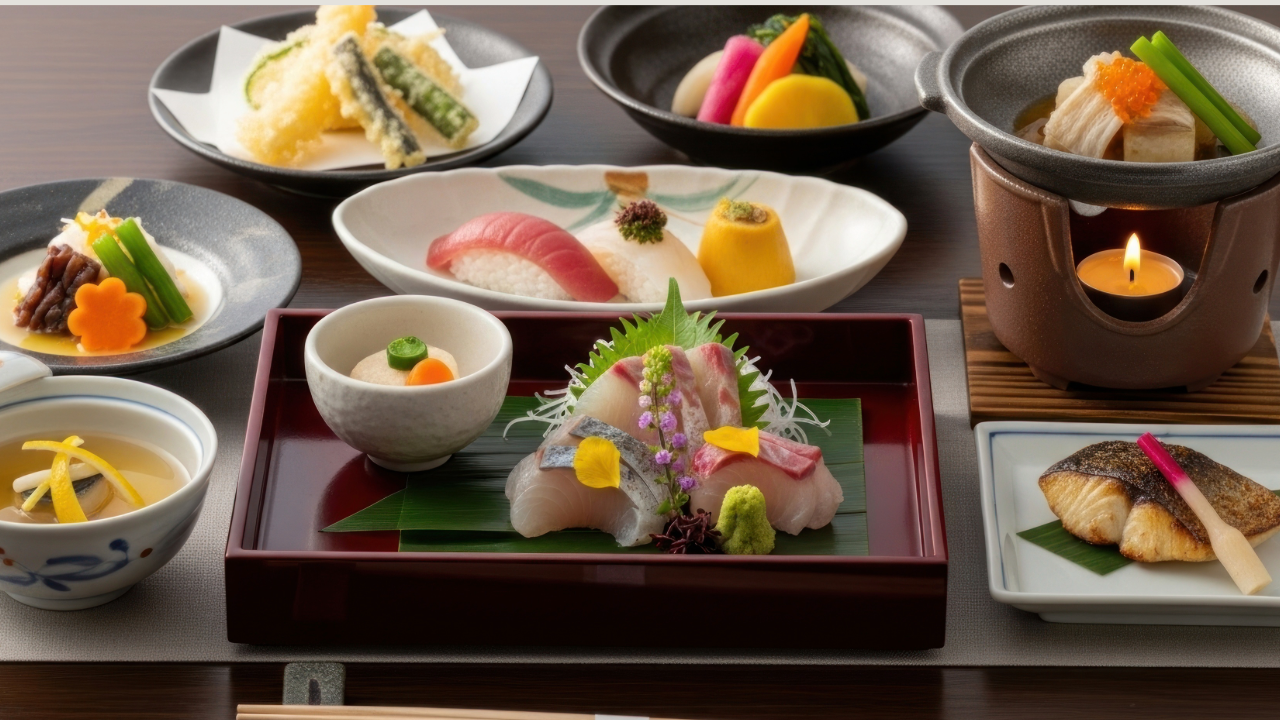
Kaiseki meals are planned around your arrival. Ingredients are purchased. Your specific dishes are prepped that morning by kitchen staff who won't be cooking for anyone else. A nakai-san (room attendant) is assigned to your room to manage dinner service, futon setup, and breakfast. When you don't show, the food is wasted and the labor hours are lost.
This is why the penalty structure escalates so aggressively:
When you cancel
Typical penalty 7+ days out 0–20%
2–3 days out 30–50%
Day before 50–80%
Day of (with notice) 80–100%
No-show (no notice)100%
The key detail: Japanese hotels often define "no-show" as failing to arrive by a specific hour—commonly 7 or 8 PM—without prior contact. Not midnight. Not the next morning. If you land at 9 PM and haven't called, you may already be a no-show even though you're technically arriving on the correct date.
The blacklist is real
The financial hit is painful. The platform consequences are worse.
Japan's domestic booking platforms dominate the market. Many ryokans and regional hotels list exclusively on these platforms—you typically won't find them on Booking.com or Expedia. Losing access means losing access to a huge slice of Japan's accommodation inventory.
These platforms often treat no-shows as violations of their terms of service. Standard policy language allows account suspension without prior notice for "failure to perform obligations" including unpaid cancellation fees. Unnotified non-arrival is categorized as "cancellation without notice," and platforms reserve the right to terminate membership while still holding you liable for all charges.
The enforcement isn't theoretical. Forum threads and Reddit posts document account suspensions, forfeited loyalty points, and permanent bans following flagged no-shows. In a climate where Japanese hotels are increasingly vigilant about "malicious reservations" (mass bookings by resellers, fake bookings, foreign cards that decline), a single no-show from an international traveler fits the pattern they're screening for.

There's also informal sharing at the association level. The Japan Ryokan & Hotel Association facilitates networks where guest information—including no-show history—can be shared between member properties. A flag at one ryokan can follow you to others.
Your credit card won't save you
Here's where most travelers get burned: they assume travel insurance covers this.
If your flight is delayed and you miss your hotel, you'll file a claim under "Trip Delay" coverage. Your insurer will reimburse the airport sandwich and the overnight hotel in San Francisco. They will not reimburse the ¥45,000 ryokan penalty in Hakone.
Trip Delay covers additional expenses incurred during the delay. The ryokan you missed isn't an additional expense—it's a prepaid, unused booking. Different category entirely.
The coverage you actually need is Trip Interruption, which reimburses "unused, non-refundable portions of prepaid travel arrangements" when interrupted by a covered reason (mechanical failure, weather, medical emergency).
This is the clause that can recover your no-show penalty—but only if two conditions are met:
1. The cause must be covered. Oversleeping, traffic, or poor planning won't qualify. Airline mechanical failure, documented weather delays, or medical emergencies will.
2. You must prove you tried to notify the hotel. That second condition is the trap.
The notification trap
Every travel insurance policy contains a "duty to mitigate" clause requiring you to take reasonable steps to minimize your loss. In practice, this means calling the hotel.
Chase Sapphire's policy states it plainly: "If You suffer a loss... You must immediately notify the appropriate Travel Supplier... If such notification does not occur... no benefit shall be payable."
Manulife, Allianz, and Blue Cross have similar language. The insurer will ask: did you contact the ryokan before the 8 PM deadline? If the answer is no—and you can't prove physical impossibility—the claim gets denied.
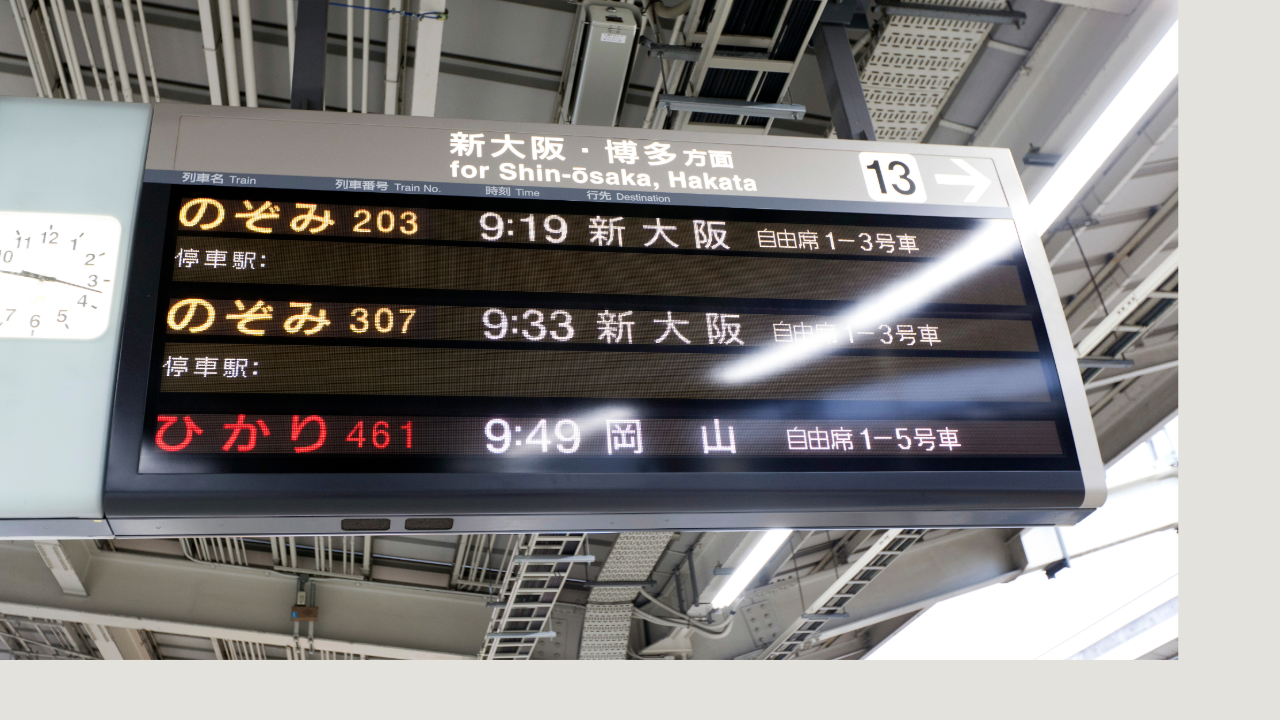
The nightmare scenario: you're stuck on a tarmac in San Francisco with no Wi-Fi. It's 2 AM Pacific, which means 6 PM in Japan. You have two hours to notify the ryokan, but you have no signal. By the time you land or get connectivity, it's 10 PM Tokyo time. The no-show has already been recorded.
If you file a claim and admit you didn't call, the insurer may argue that notification would have reduced or waived the penalty—so they reduce or deny your payout accordingly.
How to protect yourself
The risk is real, but it's manageable. Here's the playbook:
Before you book: Confirm the property's cancellation policy and no-show deadline. Many ryokans publish this in their yakkan (terms and conditions). If the deadline is 7 PM and your flight lands at 6 PM, you have almost no buffer for delays.
When you book: Use a platform that lets you message the property directly. Save the hotel's phone number and email. If booking through an OTA, screenshot the confirmation with contact details.
If you're delayed: Contact the hotel before the deadline, even if you're unsure whether you'll make it. A late-arrival notice—even same-day—shifts your status from "no-show" to "cancellation with notice," potentially reducing the penalty tier and keeping your account clean.
If you can't get a signal, call your credit card concierge (Visa Infinite, Amex Platinum, etc.) and ask them to contact the property on your behalf. This creates a documented mitigation attempt that satisfies insurance requirements.
Save everything: Airline delay documentation, boarding passes, screenshots of attempted calls or messages, any communication with the hotel. If you file a claim, you'll need proof that the delay was covered and that you attempted notification.
Buy the right insurance: Trip Delay won't cover this. You need Trip Interruption with explicit coverage for "unused land arrangements" or "prepaid non-refundable accommodations." If you want maximum protection regardless of cause, look for Cancel For Any Reason (CFAR) coverage—it reimburses at a lower rate (50–75%) but doesn't require a covered reason.
The gap most travelers miss: Credit card travel insurance almost never includes adequate Trip Interruption coverage for this scenario. Chase Sapphire Reserve is the only major US card with any medical coverage abroad, and it caps at $2,500. Most Canadian cards exclude prepaid accommodation losses entirely. If your Japan trip includes high-value ryokan bookings, standalone travel insurance with explicit interruption benefits isn't optional—it's the only thing standing between you and a five-figure loss.
FAQ
What counts as a "no-show" in Japan? Failing to arrive by the hotel's stated deadline (often 7–8 PM) without prior notice. Even if you arrive later that night, you may already be flagged.
Will I really get banned from booking platforms? It's possible. Japan's major domestic travel platforms reserve the right to suspend accounts for no-shows without prior warning. Bans have been documented in traveler forums.
Does travel insurance cover no-show penalties? Trip Delay coverage does not. Trip Interruption coverage can—if the cause is covered and you can prove you attempted to notify the hotel.
What if I can't reach the hotel? Use your credit card concierge service to contact them on your behalf. This creates documentation that you attempted to mitigate the loss.
How do I avoid this entirely? Book properties with flexible cancellation policies when possible. Build buffer time between flight arrivals and check-in deadlines. Always save the hotel's direct contact information.
The Japanese hospitality system isn't trying to punish you. It's built around a service model where your reservation triggers real preparation—food, staff, logistics—that can't be undone. The 100% penalty reflects the actual cost of your absence.
The system assumes you'll communicate. If you do, even at the last minute, you're a guest with a problem. If you don't, you're a liability.
Know the rules. Build in buffer. Save the hotel's number. And make sure your insurance actually covers what you think it covers.