
Nikko, Japan: A Complete Guide to the Town of Shrines and Spirits
Beyond the Tokyo Hustle: Why Nikko is Japan’s Most Sacred Escape.
Tokyo is a masterpiece of chaos. I love the hustle, the neon, and the endless energy of neighborhoods like Shibuya. But every urbanite reaches a breaking point where they need a "Zen theme" to their day-to-day. Enter Nikko.
Located in the Tochigi Prefecture, Nikko is where Japan’s deep history meets its most rugged natural beauty. Whether you’re here for the UNESCO World Heritage shrines or the high-altitude lakes, Nikko isn’t just a place you visit—it’s a place where you breathe again.
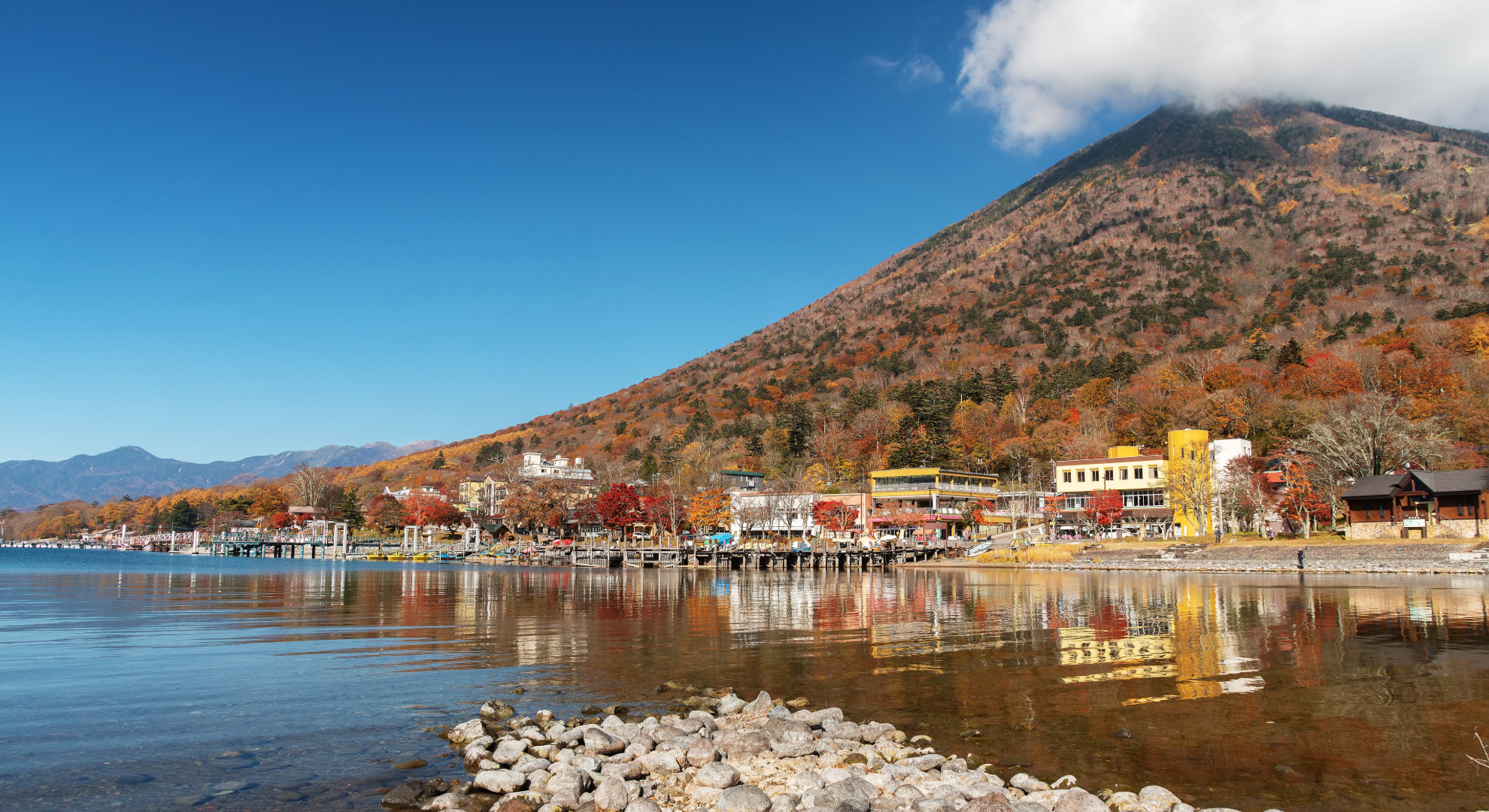
Mt. Nantai and Lake Chuzenji with autumn colors.
Getting to Nikko
The journey from Tokyo is a nostalgia trip in itself. If you’re like me and have a lifelong fascination with trains, the ride through the Japanese countryside offers a sense of contentment you can't find on a subway.
By Train: Take the Tobu Railway from Asakusa or the JR Nikko Line.
Getting Around: Once you arrive, the local bus system is efficient, but I highly recommend renting a car for the second day to explore the winding mountain roads at your own pace.
The Shinkyo Bridge: The Gateway to the Spirits
Your first stop should be the Shinkyo Bridge. This isn't just a photo op; it’s a portal. Legend says the bridge was first built in the 8th century by a god who used two giant snakes to help a priest cross the river.
The current red-lacquered version dates back to 1636. It stands as a literal and symbolic separation between the human world and the spiritual realm of the Nikko National Park.
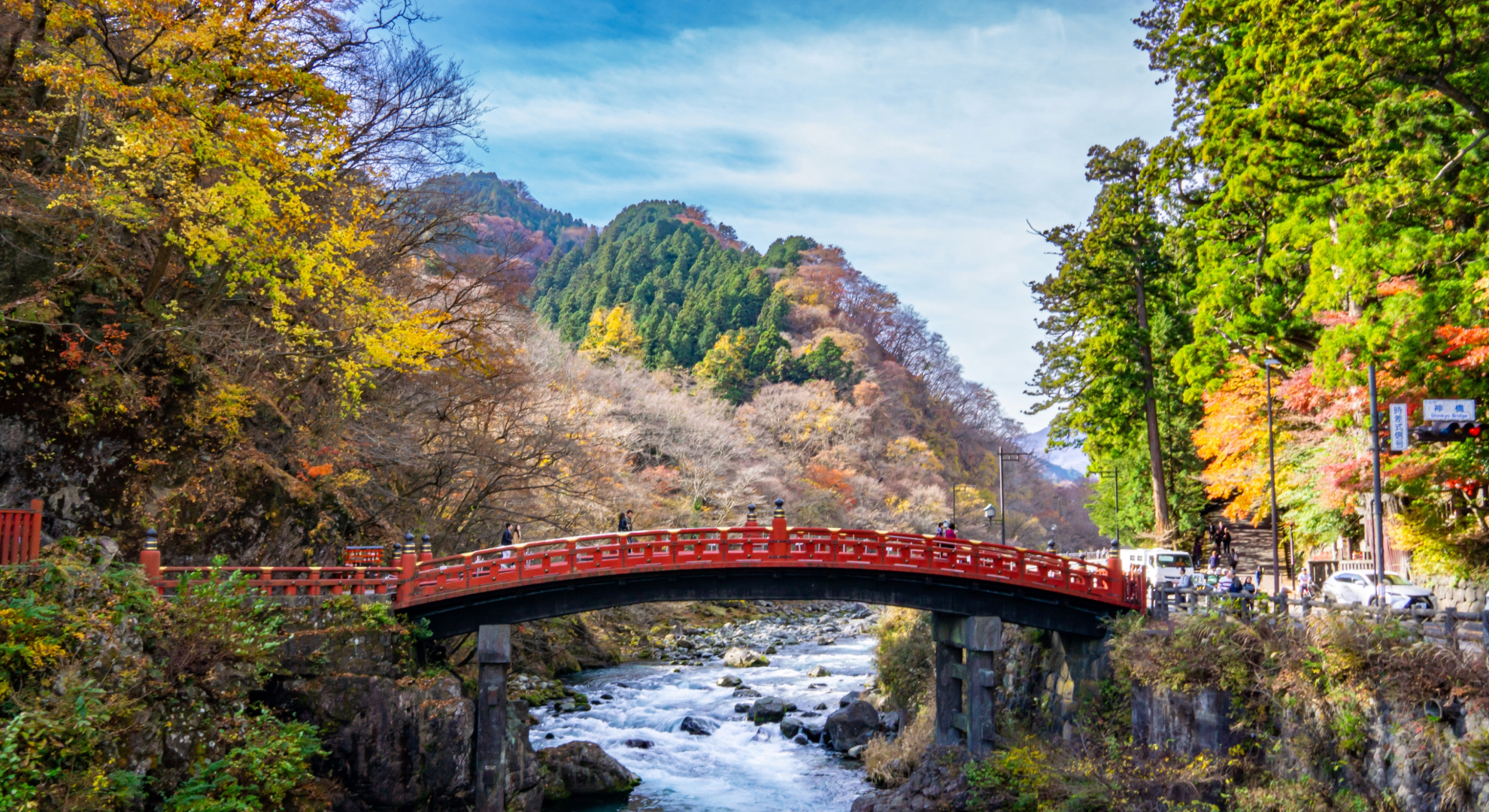
Red Shinkyo Bridge Nikko Japan
Nikko Toshogu Shrine: Architectural Mastery
If you only see one temple in Japan, make it Toshogu. This Shinto shrine is the final resting place of Tokugawa Ieyasu, the founder of the Tokugawa Shogunate.
Unlike the minimalist Zen temples you see in Kyoto, Toshogu is an explosion of gold leaf, intricate carvings, and vibrant colors.
Don't Miss: The "Three Wise Monkeys" (See no evil, hear no evil, speak no evil) and the famous "Sleeping Cat" (Nemuri-neko).
Note: Photography is strictly prohibited in the inner housed areas, so put the camera down and soak in the craftsmanship.
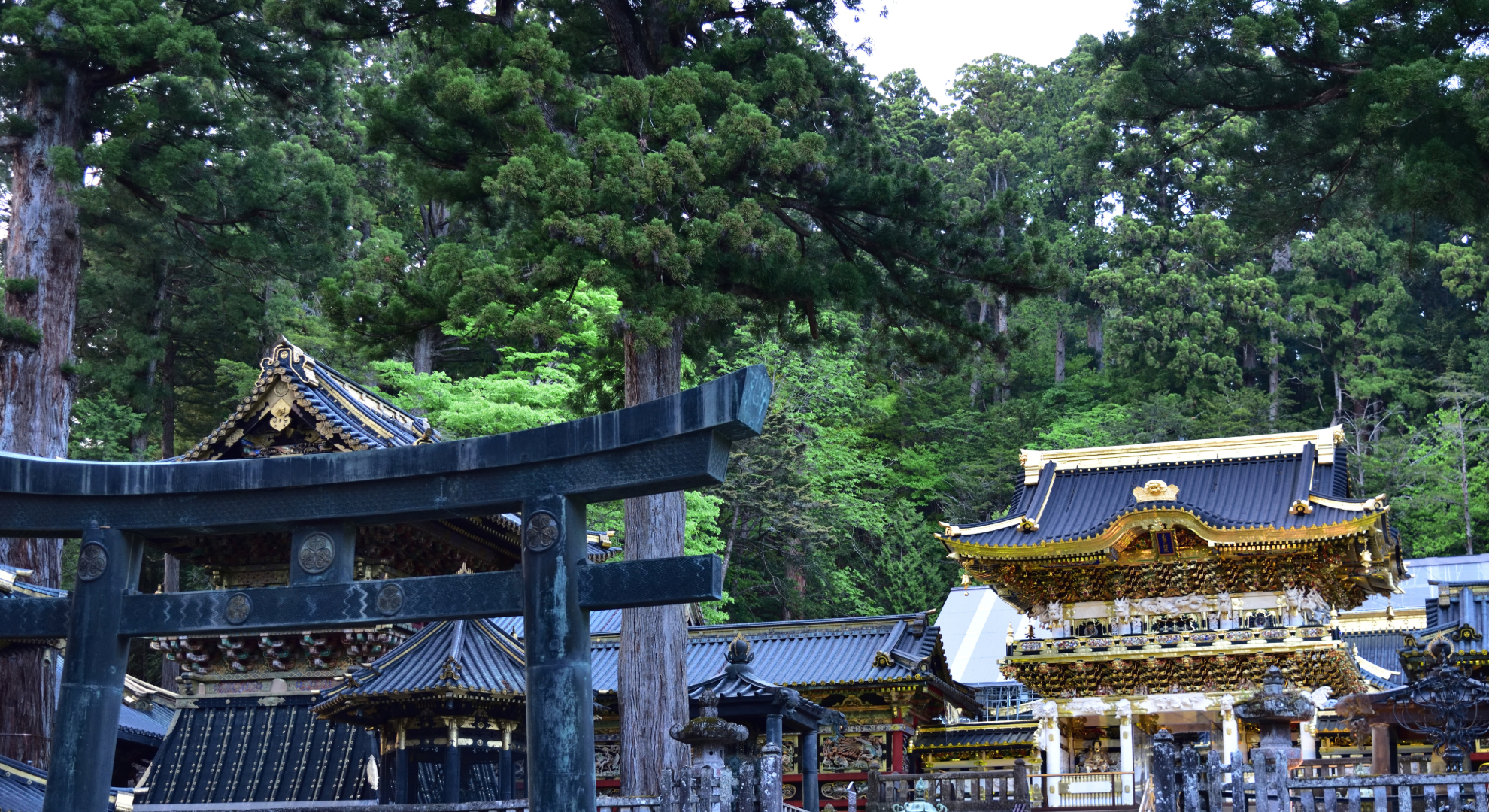
Yomeimon Gate (Gate of Sunset)
Nature at 1,200 Meters: Lake Chuzenji & Kegon Falls
Head higher into the mountains and you’ll find Lake Chuzenji. Formed 20,000 years ago by a volcanic eruption, this area sits at an elevation higher than Toronto’s CN Tower.
The air here is crisp, and the views of Mt. Nantai are staggering. Just a short walk away is Kegon Falls. Falling 97 meters, it’s ranked as one of the three most beautiful waterfalls in Japan. In the autumn, the surrounding foliage turns into a tapestry of fire-reds and burnt oranges.
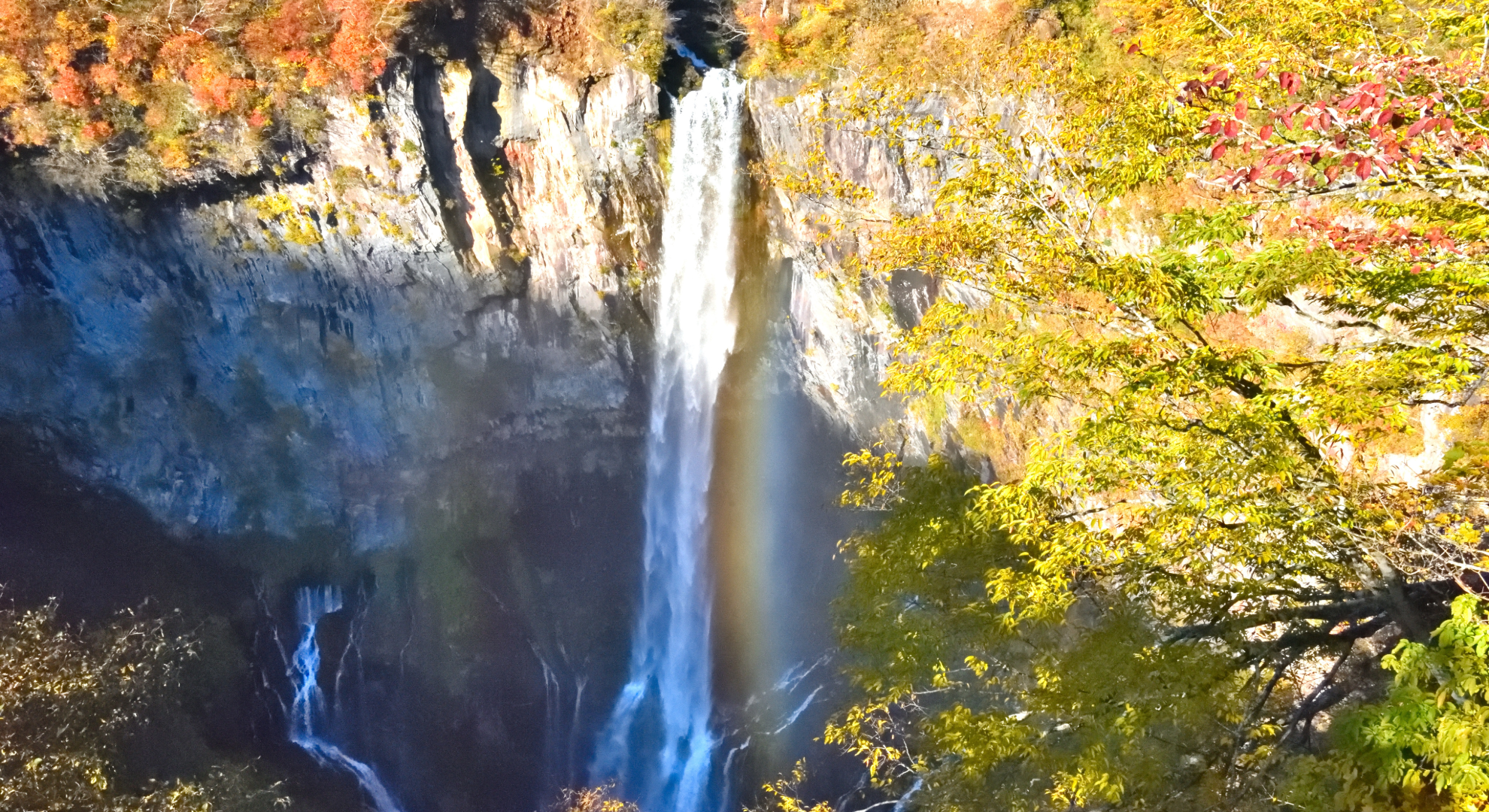
Shot of Kegon Falls framed by autumn leaves.
A Taste of Home: Miyame Dango
While walking through town, I stumbled upon a confectionery shop called Miyame Dango. The interior is an architectural gem, but it was the "Toronto vibes" that got me. Seeing a vintage green-and-red trolley car parked in the middle of a Japanese mountain town brought me right back to the streets of my hometown.
When to Visit & What to Pack
Best Time: October is peak season for the koyo (autumn leaves). The colors are world-class.
Travel Tip: Nikko is significantly cooler than Tokyo. Even if it’s t-shirt weather in the city, bring a jacket for the mountains.
Duration: You can do the highlights in a day trip, but stay two days if you want to truly "immerse in the magic" without rushing.
